
The healthcare industry is evolving rapidly as technology transforms how medical professionals diagnose conditions, deliver treatments, and support patients. Advances in digital health, medical imaging, artificial intelligence, telehealth, and specialized equipment are creating new opportunities to improve care while making healthcare more connected and accessible. As these innovations continue to develop, technology is becoming an increasingly important part of modern healthcare delivery.
This transformation extends across nearly every area of medicine. From advanced diagnostics and minimally invasive procedures to specialized rehabilitation and personalized treatment plans, healthcare providers are using new tools and technologies to improve accuracy, efficiency, and patient outcomes. At the same time, the growth of specialized medical practices is allowing patients to receive more targeted care based on their individual needs and conditions.
Technology is also changing how healthcare professionals communicate, manage information, and coordinate treatment. Digital records, remote consultations, data-driven insights, and connected medical devices can help providers make more informed decisions while creating a more seamless experience for patients. These developments are expanding the capabilities of healthcare systems while encouraging greater collaboration among specialists.
Understanding how the healthcare industry is evolving through technology provides valuable insight into the future of medical care. As innovation continues to influence diagnostics, treatment, prevention, and patient support, healthcare organizations and professionals must adapt to new tools while maintaining a strong focus on safety, quality, and patient needs. This guide explores the key technologies and specialty-driven developments shaping modern healthcare and what they mean for the future of the industry.
The Growing Network of Specialized Care
Modern healthcare is no longer limited to general practitioners and hospitals. Today’s system includes a wide network of specialists who focus on specific areas of the body or particular medical conditions. This specialization allows patients to receive more targeted treatment and better long-term outcomes.
For example, individuals experiencing chronic back pain or joint discomfort may seek care from a chiropractor who specializes in spinal alignment and musculoskeletal health. Chiropractic care has grown significantly in recent years as more patients look for non-invasive treatment options for pain management and mobility improvement.
Rehabilitation services have also expanded. After surgery, sports injuries, or accidents, many patients rely on physical therapy to regain strength, restore mobility, and prevent future injuries. Physical therapists play a critical role in recovery by guiding patients through structured exercises and therapeutic techniques that help rebuild muscles and improve movement.
Other specialized providers address different types of medical needs. Patients dealing with substance use disorders often work closely with an addiction doctor who provides treatment plans that may include counseling, medication-assisted therapy, and long-term recovery strategies. The rise of addiction medicine as a recognized specialty highlights the healthcare industry’s growing focus on treating complex behavioral health conditions.
Specialists such as an oral surgeon also demonstrate the expanding nature of modern healthcare. These professionals perform procedures involving the mouth, jaw, and facial structures, including wisdom tooth removal, dental implants, and corrective jaw surgery. Advances in surgical techniques and imaging technology have made these procedures safer and more effective than ever before.
Advances in Diagnostic Imaging
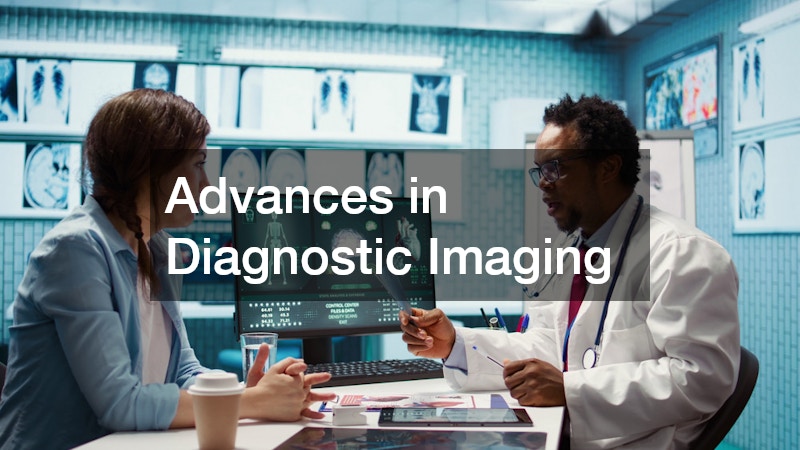
Technology has dramatically improved the way healthcare providers diagnose and monitor medical conditions. One of the most significant advancements is the development of specialized imaging systems that provide clearer, more accurate views of the body.
Traditional MRI machines require patients to lie flat inside a narrow tube, which can be uncomfortable for individuals with claustrophobia or certain physical conditions. New technology such as the upright MRI scanner allows patients to be scanned while sitting or standing, offering a more comfortable experience while also enabling physicians to observe how the body functions in natural positions.
This advancement is particularly valuable for diagnosing spinal problems, joint issues, and other conditions that may only appear when the body is in a weight-bearing position. By improving diagnostic accuracy, advanced imaging technologies help physicians create more precise treatment plans and reduce the likelihood of misdiagnosis.
Healthcare providers are also integrating imaging results with digital records, allowing specialists to collaborate more efficiently. Radiologists, surgeons, and rehabilitation specialists can review scans together, ensuring that treatment decisions are based on comprehensive information.
The Rise of Specialized Treatment Clinics
Another major shift in healthcare is the emergence of clinics that focus on specific medical needs. These specialized centers allow practitioners to concentrate on particular treatments and patient populations. By narrowing their focus, providers are often able to deliver more detailed evaluations, specialized therapies, and personalized care plans tailored to each patient’s unique health concerns. This approach can also improve efficiency, as clinics are designed around the equipment, staff expertise, and procedures required for particular conditions.
Hormone health is one area that has seen significant growth. Many individuals experiencing symptoms related to hormonal imbalances seek care from a testosterone clinic, where providers evaluate hormone levels and develop personalized treatment plans. These clinics often focus on improving energy levels, muscle mass, mood stability, and overall wellness. Patients may also receive ongoing monitoring through lab testing and regular consultations to ensure hormone levels remain balanced and treatment plans remain effective over time.
Similarly, oncology centers have expanded their capabilities to provide more advanced cancer treatment options. Breakthroughs in targeted therapies, immunotherapy, and precision medicine are changing the way cancer is treated. Instead of relying solely on traditional chemotherapy and radiation, physicians can now tailor treatment plans based on the genetic characteristics of a patient’s tumor.
This personalized approach allows doctors to deliver therapies that are more effective while minimizing side effects. As research continues to advance, cancer care is becoming increasingly precise, giving patients access to treatments that were unimaginable just a few decades ago. Many cancer centers now also provide comprehensive support services, including nutritional counseling, rehabilitation therapy, and mental health resources, helping patients manage both the physical and emotional challenges that often accompany treatment.
The Importance of Education and Workforce Development

Behind every healthcare advancement is a workforce trained to deliver high-quality care. As the industry grows, so does the demand for skilled professionals who support clinical operations.
One essential role in modern healthcare involves collecting and processing blood samples for testing and diagnosis. Many medical facilities rely on professionals trained through phlebotomy programs to perform these procedures safely and efficiently. Phlebotomists are responsible for drawing blood, labeling specimens, and ensuring samples are properly handled for laboratory analysis.
Training programs for these professionals are expanding across community colleges, vocational schools, and healthcare institutions. By preparing students with hands-on clinical experience, these programs help ensure that healthcare systems have the workforce necessary to support diagnostic testing and patient care. Students often practice in simulated lab environments before completing clinical rotations in hospitals, clinics, or diagnostic laboratories, where they gain real-world experience working with patients and medical staff.
Healthcare education is also evolving to include training on emerging technologies, patient communication skills, and interdisciplinary collaboration. As medicine becomes more complex, healthcare professionals must continually update their knowledge and skills. Ongoing professional development, certifications, and continuing education courses allow workers to stay current with new medical practices, safety protocols, and healthcare technologies that improve patient outcomes and operational efficiency.
Technology Transforming Healthcare Operations
While patient-facing technology often receives the most attention, many of the most important innovations occur behind the scenes. Healthcare organizations rely on sophisticated systems to manage equipment, streamline workflows, and ensure patient safety.
Hospitals and clinics often use medical device inventory tracking software to monitor the location, usage, and maintenance schedules of critical equipment. Medical devices such as infusion pumps, monitoring systems, and surgical instruments must be tracked carefully to ensure they are available when needed and properly maintained.
Digital inventory platforms allow healthcare providers to manage thousands of devices across multiple departments. By tracking equipment in real time, hospitals can reduce delays, improve operational efficiency, and maintain compliance with regulatory requirements.
These systems also help prevent equipment shortages and minimize the risk of lost or misplaced devices. As healthcare facilities continue to adopt digital management tools, technology will play an increasingly important role in ensuring smooth operations.
Expanding Care Beyond Human Medicine
Healthcare innovation is not limited to human patients. Veterinary medicine has also experienced significant growth, with new facilities and specialized services becoming more widely available.
Pet owners increasingly seek immediate care when animals experience sudden illness or injury. Facilities offering urgent care vets provide an alternative to traditional veterinary clinics and emergency hospitals. These centers focus on treating non-life-threatening conditions that still require prompt attention, such as minor injuries, infections, or digestive issues.
By offering extended hours and walk-in services, these veterinary facilities help pet owners access care quickly while reducing the burden on emergency animal hospitals. The expansion of urgent veterinary services reflects the growing recognition of pets as important members of the family.
Veterinary medicine has also adopted many technologies used in human healthcare, including digital imaging, advanced surgical tools, and telemedicine consultations.
Integration of Digital Health Solutions
Digital health platforms are becoming an integral part of modern healthcare systems. Electronic health records, telemedicine services, and remote monitoring technologies are improving communication between patients and providers.
Telehealth, in particular, has transformed access to care. Patients who once had to travel long distances to see specialists can now consult with providers through secure video platforms. This is especially beneficial for individuals living in rural areas or those with mobility challenges.
Remote monitoring devices also allow healthcare professionals to track patient health data in real time. Wearable devices can measure heart rate, physical activity, sleep patterns, and other metrics, giving physicians valuable insights into patient health outside the clinical setting.
These digital tools also improve patient engagement. Many healthcare providers now offer mobile apps where patients can schedule appointments, view test results, communicate with doctors, and manage prescriptions.
Collaboration Across Specialties
The future of healthcare increasingly relies on collaboration among specialists. Complex medical conditions often require input from multiple professionals working together to develop comprehensive treatment plans.
For example, a patient recovering from surgery may work with surgeons, rehabilitation specialists, and pain management providers. Someone undergoing cancer treatment might receive care from oncologists, radiologists, nutritionists, and mental health professionals.
This collaborative approach ensures that patients receive well-rounded care that addresses both physical and emotional needs. By combining expertise from multiple specialties, healthcare teams can deliver more effective and holistic treatment.
Healthcare systems are also adopting integrated care models that allow providers to share information and coordinate services more efficiently. Electronic records, collaborative platforms, and multidisciplinary clinics are helping healthcare teams work together more seamlessly than ever before.
Preventive Care and Early Detection
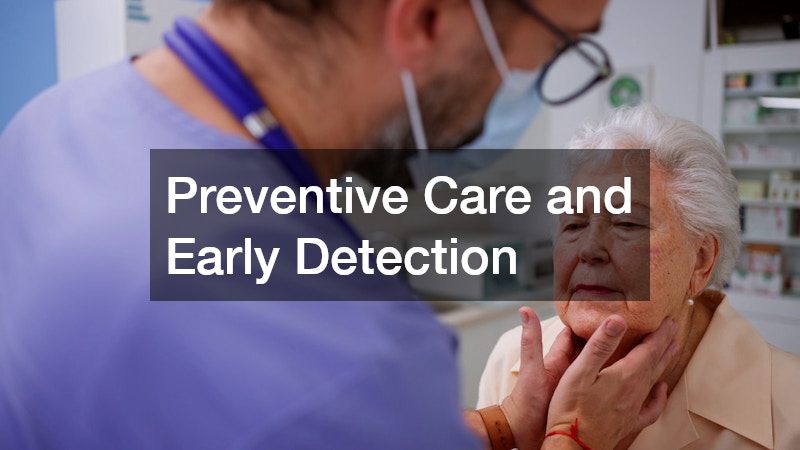
Another important development in healthcare is the increased emphasis on prevention and early detection. Instead of focusing only on treating illness, many healthcare providers are working to identify potential health risks before they become serious problems.
Routine screenings, wellness programs, and lifestyle counseling are helping patients take proactive steps to maintain their health. Early detection is particularly important for conditions such as heart disease, diabetes, and certain cancers.
Advances in medical testing and imaging technologies allow healthcare providers to identify abnormalities at earlier stages. Early diagnosis often leads to more effective treatment options and improved patient outcomes.
Preventive care also reduces the overall cost of healthcare by minimizing the need for complex treatments and hospitalizations. As awareness grows, more healthcare systems are investing in programs that encourage healthy lifestyles and regular checkups.
The Role of Data and Artificial Intelligence
Healthcare organizations are increasingly using data analytics and artificial intelligence to improve decision-making and patient outcomes. Large datasets from electronic health records, medical imaging systems, and wearable devices provide valuable insights into disease patterns and treatment effectiveness.
Artificial intelligence tools can analyze medical images, detect abnormalities, and assist physicians in diagnosing conditions more quickly. These systems are not intended to replace healthcare professionals but rather to support them by identifying patterns that might otherwise be difficult to detect.
Predictive analytics can also help healthcare providers identify patients at higher risk for certain conditions. By analyzing historical data and health trends, these tools allow providers to intervene earlier and develop more effective treatment plans.
As technology continues to advance, data-driven healthcare will likely become an essential part of medical practice.
Looking Ahead
Healthcare will continue to evolve as new technologies and specialties emerge. Advances in artificial intelligence, robotics, and precision medicine are expected to further transform the industry in the coming years.
Artificial intelligence may soon assist physicians in diagnosing diseases, analyzing medical images, and predicting patient outcomes. Robotic surgical systems are already enabling more precise procedures with shorter recovery times. Personalized medicine based on genetic analysis is helping providers tailor treatments to each individual patient.
Conclusion
The future of healthcare will continue to be shaped by advances in technology, specialized expertise, and a growing emphasis on patient-centered care. Innovations in diagnostics, treatment, digital health, and medical data are giving healthcare professionals new ways to improve accuracy, efficiency, and patient outcomes while expanding access to essential services.
As these technologies become more integrated into everyday healthcare, collaboration will become increasingly important. Medical specialists, technology providers, and healthcare organizations will need to work together to adopt new tools responsibly while maintaining high standards for safety, privacy, and quality of care.
Ultimately, technological innovation is not replacing the human side of healthcare—it is strengthening the tools available to the people who provide it. By embracing useful innovations while keeping patient needs at the center of decision-making, the healthcare industry can build a more connected, responsive, and effective system for the future.
