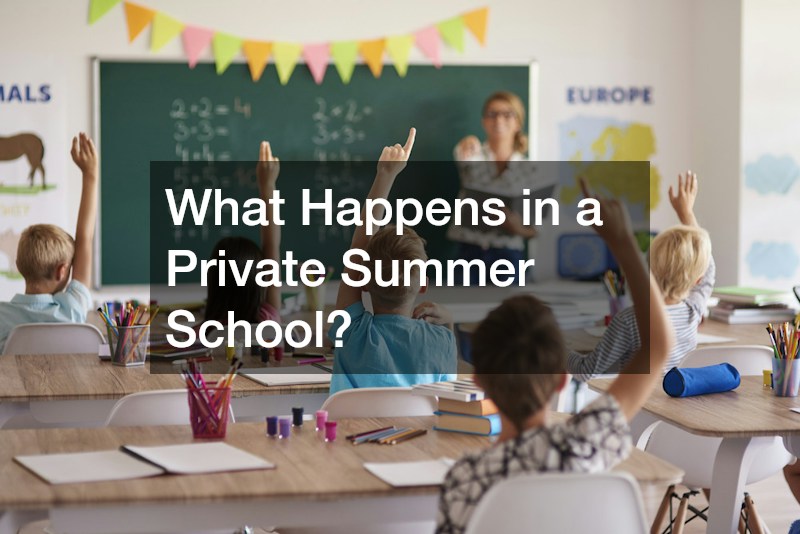
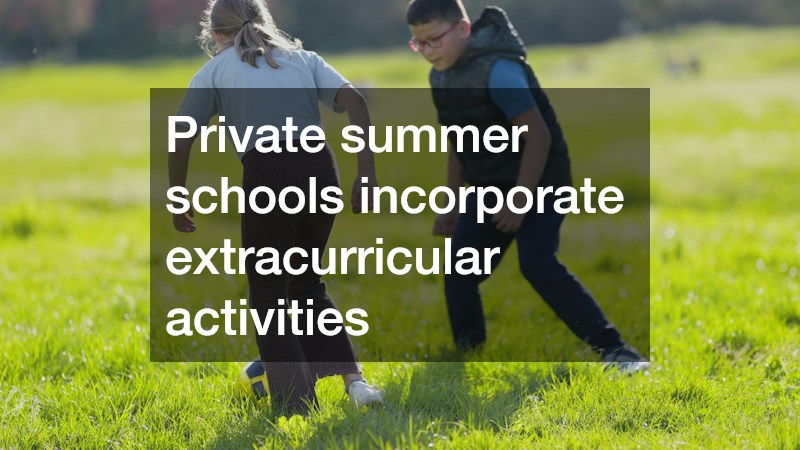
Exploration into private summer schools reveals a unique educational environment combining academics, enrichment, and personal growth. This article aims to delve into the facets that define the experience at a private summer school, addressing common inquiries and offering insight into opportunities present in these institutions. By understanding the structure and offerings of private summer schools, parents and students can make informed decisions on whether this type of education will meet their needs and expectations. Private summer schools often boast a diverse and flexible curriculum structure designed to cater to a wide range of student needs. These programs typically include both core academic subjects and specialized courses that might not be available in traditional school settings. The curriculum is designed to not only reinforce existing knowledge but also to introduce students to new and advanced topics, thus giving them a head start for the upcoming academic year. Many private summer schools implement an integrated learning approach, combining different fields of study to encourage critical thinking and problem solving. It’s this combination of traditional academia with innovative course offerings that sets private summer schools apart as a dynamic learning environment. Emphasis on small class sizes in private summer schools often allows for a more personalized and interactive learning experience. This setup enables teachers to provide individualized attention and cater to the unique learning styles of each student. Technology integration within the curriculum is also a common feature, providing students with access to online resources and interactive tools that enhance learning. The curriculum is evaluated and updated regularly to ensure that it meets the evolving academic standards and the expectations of both parents and educators. Ultimately, the goal is to create a balanced educational journey where academic preparation goes hand in hand with inspiring a passion for lifelong learning. Beyond academic subjects, many private summer schools also focus on important life skills and character education. Courses in leadership, teamwork, and communication are frequently part of the curriculum to prepare students for both personal and professional future challenges. These life skills are woven into the academic framework to create a holistic education model. Creative arts, sports, and outdoor education are also integral components of the curriculum, offering students the opportunity to explore new talents and interests outside conventional academic fields. The curriculum structure in a private summer school is truly a blend of academic rigor and creative exploration, providing a comprehensive learning experience. Extracurricular activities in private summer schools play a crucial role in creating a well-rounded educational experience. These schools offer a wide array of activities ranging from sports and arts to coding clubs and entrepreneurship workshops. Such activities are not just for leisure; they are deliberately designed to complement the academic curriculum by fostering skills like leadership, teamwork, and creativity. Participation in extracurricular activities also helps students build a sense of community and belonging, which is essential for personal growth. Engaging in these activities can often ignite passions and hobbies, leading students to discover new avenues for personal achievement and enjoyment. Sports programs in private summer schools are often extensive, providing opportunities for students to participate in both individual and team sports. These programs aim to improve physical health, promote teamwork skills, and encourage a spirit of sportsmanship. Often, these sports activities are coached by experienced athletes or experts who provide valuable mentorship and technique training. Many schools offer competitive sports teams that participate in inter-school leagues, allowing students to experience the thrill of competition. Furthermore, the emphasis on physical activity complements the mental rigors of academic studies, creating a balanced approach to education. Arts and culture form another vibrant part of the extracurricular landscape in private summer schools. Drama clubs, music bands, and art workshops give students a platform to express themselves and hone their creative talents. Cultural festivals and events provide students with the opportunity to appreciate diversity and build cross-cultural understanding. Students gain confidence by showcasing their work in exhibitions and performances, which can be life-changing in fostering self-expression and public speaking skills. Overall, the robust offering of extracurricular activities ensures that students leave private summer schools not only academically prepared but also enriched in skills and experiences that support their mental, social, and emotional development. An essential component of private summer schools is the comprehensive student support they offer. Many schools emphasize the importance of having a well-rounded support system to facilitate a nurturing learning environment. This includes academic support such as tutoring and study groups where students can receive help on particular subjects or areas they find challenging. Additionally, career guidance services are often part of the support structure, helping students explore potential career paths and preparing them for future opportunities. Emotional support through counseling services is also a key element, ensuring students have access to professional help to work through any personal issues or challenges. Mentorship programs are a unique aspect of private summer schools that greatly benefit students. These programs pair students with mentors who can provide guidance, advice, and support in both academic and personal areas. Mentors can be experienced teachers, alumni, or professionals from various industries. They play a critical role in helping students navigate academic pressures, make informed decisions, and set achievable goals. This personalized guidance can significantly influence a student’s educational journey and personal development, providing them with the confidence and knowledge needed to excel. Social support systems are also in place to ensure that students feel connected and valued within the school community. Peer support groups and buddy systems facilitate social integration and help students feel more at ease in a new environment. These networks provide a platform for students to share experiences and challenges, which can be particularly beneficial for those attending from different geographical locations or cultural backgrounds. Building such relationships not only fosters a supportive community but also enhances students’ interpersonal skills. Therefore, the supportive framework in a private summer school is multifaceted, designed to guide students comprehensively through their educational journey. Choosing the right private summer school is a significant decision that involves considering various factors to find the best fit for a student’s needs and goals. Academic offerings should be a primary consideration, ensuring that the courses available align with the student’s interests and future aspirations. Prospective students should look for schools that provide a broad range of subjects alongside specialized courses that might give them an edge in their future academic endeavors. Visiting school open days and speaking with teachers and alumni can provide valuable insights into the school’s curriculum and teaching approaches. The range and quality of extracurricular activities offered should also be evaluated, as they are an integral part of the private summer school experience. Prospective students should consider schools that offer activities they are passionate about and which can aid their holistic development. Facilities and resources available for extracurricular activities can be an indicator of the school’s commitment to providing a well-rounded education. Another key consideration is the student-to-teacher ratio, which can affect the level of individual attention and support a student receives. A lower ratio generally allows for more personalized instruction and a closer-knit learning environment. Lastly, financial aspects and logistical considerations should not be overlooked when selecting a private summer school. Tuition fees, availability of scholarships, and financial aid options should be evaluated to ensure they align with the family’s budget. Location and accommodation options are also important factors, particularly for international students or those coming from out of town. A thorough understanding of these elements can help families make informed choices that best support the student’s academic and personal growth. Making the right choice involves balancing practical needs with academic and extracurricular interests to find a summer school that can offer a comprehensive and enriching experience. Attending a private summer school offers numerous benefits that extend beyond the traditional classroom setting, providing a rich, multidimensional experience. Academically, these schools give students the opportunity to reinforce existing knowledge and explore new subjects which can lead to better preparedness for future coursework. The exposure to advanced topics that may not be available in regular schools offers a competitive academic advantage. Private summer schools often emphasize experiential learning, enabling students to apply theoretical knowledge in real-world scenarios through projects and case studies. This approach not only enhances understanding but also fosters critical thinking and problem-solving skills. Personal growth is another significant benefit of attending a private summer school. The dynamic and diverse environment encourages students to step out of their comfort zones, take initiative, and build confidence. Opportunities for leadership roles within clubs and activities help students develop essential life skills. In addition to academic development, the emphasis on social and emotional learning prepares students to navigate personal relationships and challenges more effectively. These elements collectively contribute to producing well-rounded individuals capable of adapting to various life situations. On a broader scale, the networking opportunities and exposure to a variety of perspectives in a private summer school can be invaluable. Interactions with peers from different backgrounds provide a platform for cultural exchange and the development of a global mindset. Networking with educators, mentors, and industry professionals can open doors to future educational and career opportunities. The friendships and connections made can be long-lasting, offering support systems that continue beyond the summer school experience. Overall, the benefits of a private summer school are comprehensive, enhancing not only academic prowess but also personal and social skills that are crucial for lifelong success. Private summer schools offer a multifaceted approach to education, combining rigorous academics with bespoke extracurricular activities and comprehensive support systems. Selecting the right program requires careful consideration, but the potential benefits make these institutions valuable stepping stones in a student’s educational journey. Concluding the exploration, it’s clear that private summer schools cultivate environments where academic, personal, and social growth are seamlessly intertwined. 1. What is the curriculum structure in private summer schools?
2. How do private summer schools incorporate extracurricular activities?
3. What type of student support is available at private summer schools?
4. How does one select the right private summer school?
5. What are the benefits of attending a private summer school?
What Happens in a Private Summer School?