
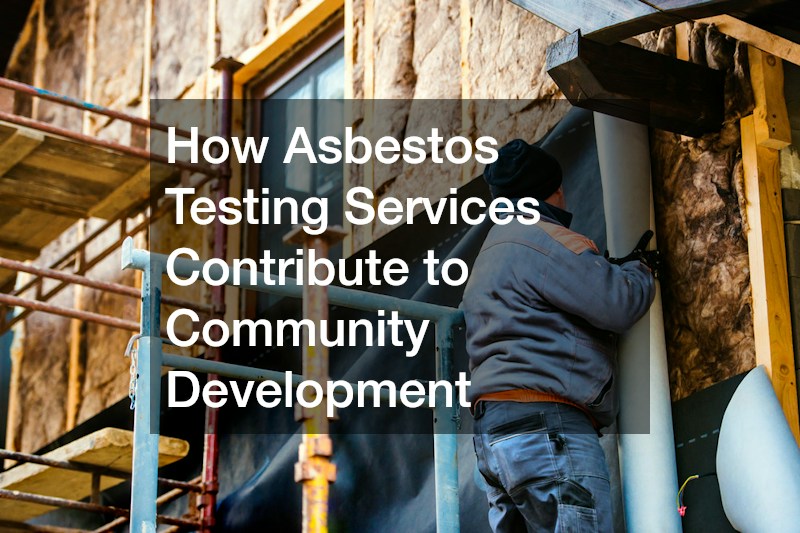
Asbestos was once widely used in construction materials because of its durability, heat resistance, and insulating properties. However, when asbestos-containing materials become damaged or disturbed, they can release microscopic fibers into the air. These fibers can pose serious health risks when inhaled. Professional asbestos testing services help communities identify potential exposure risks, make informed decisions about property improvements, and support development projects that prioritize public safety.
Protecting Public Health Through Environmental Awareness
One of the most important ways asbestos testing contributes to community development is by helping protect public health. Older buildings may contain asbestos in insulation, floor tiles, roofing materials, ceiling treatments, and other construction components.
Although these materials do not necessarily present an immediate danger when undamaged and undisturbed, renovation, demolition, or deterioration can release hazardous fibers. Identifying these materials before they become a problem helps communities take appropriate precautions.
Public buildings deserve particular attention because they serve large numbers of people. Schools, libraries, government offices, recreation centers, and other shared facilities may contain materials installed decades ago. Testing helps property owners and administrators determine whether asbestos is present and evaluate the condition of potentially affected materials. This information supports decisions about maintenance, renovation, and necessary abatement procedures.
Environmental awareness also encourages residents to become more informed about the conditions of the buildings they occupy. When communities understand where asbestos may be present and how exposure can occur, they are better equipped to recognize potential hazards and support appropriate safety measures. Property owners, contractors, and local officials can work together to address concerns before they affect larger populations.
Supporting Safer Construction and Neighborhood Improvements
Community development frequently involves renovating existing structures, replacing outdated infrastructure, and repurposing buildings for new uses. These projects can strengthen local economies and improve access to essential services. However, construction activities involving older properties require careful planning because disturbing asbestos-containing materials can create exposure risks for workers, occupants, and nearby residents.
Testing before renovation or demolition provides important information that helps project managers establish appropriate safety procedures. When asbestos is identified, asbestos testing services can determine the necessary next steps, including containment, removal, or other approved management strategies. Addressing these concerns before construction begins can help prevent unexpected interruptions, reduce potential exposure, and keep projects aligned with applicable regulations.
This preparation is especially valuable for large-scale community projects. For example, converting an older commercial building into affordable housing may require extensive structural improvements. Similarly, renovating a former industrial property into a community center could involve disturbing materials that have remained untouched for decades. Identifying asbestos before work begins allows developers to account for environmental considerations in their budgets, schedules, and construction plans.
Proper testing also supports responsible property management after renovations are complete. Building owners can maintain accurate records of identified asbestos-containing materials and any work performed to address them. These records help future contractors and maintenance personnel understand potential hazards before performing additional work. This continuity reduces the likelihood of accidental disturbances during subsequent improvement projects.
Encouraging Economic Growth and Long-Term Sustainability
Safe buildings are essential to sustainable economic development. Businesses need suitable facilities, residents need dependable housing, and local governments need functional public infrastructure. When older properties contain unidentified environmental hazards, those conditions can complicate redevelopment and discourage potential investors. Testing helps clarify the condition of existing buildings, allowing property owners and developers to make more informed decisions about their investments.
Identifying asbestos early can also help communities manage project costs more effectively. Discovering hazardous materials after demolition or renovation has already started may lead to unexpected expenses, scheduling changes, and additional safety requirements. Pre-project testing allows developers to identify potential complications before committing to major construction activities. Although testing and remediation may require an initial investment, addressing hazards during the planning stage can help prevent more disruptive problems later.
Community development depends on creating environments that remain safe, functional, and valuable over time. Identifying asbestos before construction, renovation, or demolition helps protect residents and workers while supporting responsible property management. These efforts also make redevelopment projects more predictable by helping property owners understand potential environmental challenges before work begins.
By incorporating professional asbestos testing services into building assessments and development plans, communities can make informed decisions about their properties and prioritize public health. This proactive approach supports safer construction, responsible investment, and sustainable neighborhood improvements that benefit residents now and in the future.
