
Industrial businesses operate in an environment where rising energy costs, labor expenses, supply chain challenges, and equipment demands can quickly put pressure on profit margins. While increasing sales can support growth, improving cost efficiency is often one of the most practical ways to strengthen profitability. For manufacturers, warehouses, processing facilities, and other industrial operations, even modest reductions in recurring expenses can produce meaningful savings over time.
One of the biggest challenges is that operational inefficiencies often develop gradually. Outdated equipment, inefficient energy use, unnecessary downtime, rising supplier costs, and labor-intensive processes can quietly increase expenses without appearing as a single obvious problem. Identifying these hidden costs requires businesses to examine how resources are used across the entire operation, from production and maintenance to logistics and facility management.
The most effective approach to cost reduction is not simply cutting budgets. Instead, industrial businesses can focus on improving efficiency, preventing avoidable expenses, and directing resources toward activities that generate the greatest value. Proactive equipment maintenance, energy optimization, process improvements, supplier reviews, automation, and strategic outsourcing can all contribute to a more efficient operation without compromising safety, productivity, or product quality.
This guide explores practical strategies for how industrial businesses can reduce operational costs while maintaining strong performance. By evaluating energy consumption, equipment, workforce processes, procurement, logistics, and maintenance practices, business leaders can identify opportunities to reduce waste, control overhead, and build a more resilient operation. The goal is not to spend less at any cost, but to create a smarter cost structure that supports sustainable growth and long-term profitability.
Optimizing Energy Infrastructure for Long-Term ROI
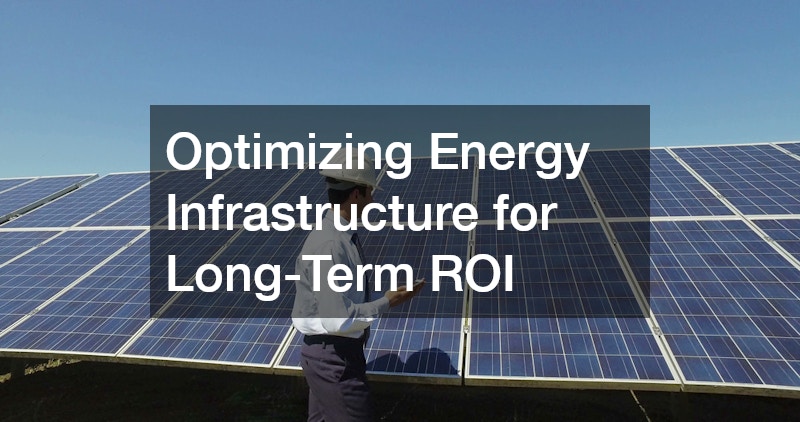
For most industrial facilities, energy consumption is the second-largest operating expense after labor. Unlike fixed rent or insurance costs, energy bills fluctuate based on efficiency and usage habits. This makes energy one of the most controllable costs in your portfolio. The goal here is twofold: reduce the amount of energy you buy from the grid and ensure the energy you do consume isn’t wasted.
Generate Your Own Power to Hedge Against Volatility
Grid electricity prices are subject to regulatory changes, fuel surcharges, and peak-demand pricing. Industrial facilities, with their massive roof space and high daytime energy usage, are uniquely positioned to benefit from on-site power generation.
Investing in renewable energy infrastructure is no longer just an environmental statement; it is a financial hedge. By installing commercial solar panels, warehouses and manufacturing plants can offset their usage during peak hours when grid rates are highest. Many utility companies charge industrial clients based on their highest 15-minute usage period in a month (demand charges). Solar reduces this peak load, leading to substantial savings even if the system doesn’t cover 100% of the facility’s needs. Furthermore, owning your generation asset changes your expense from a variable monthly bill to a fixed capital investment, which allows for more accurate long-term forecasting.
- Tax Incentives: Federal and state tax credits can offset a significant percentage of the installation cost.
- Asset Value: Energy-independent buildings appraise for higher values.
- Marketing Edge: Sustainability is increasingly a requirement for supply chain partners.
Seal the “Envelope” to Stop Thermal Bleed
Generating cheap power is useless if that energy immediately escapes your building. The “building envelope”—the physical separator between the conditioned and unconditioned environment—is often the biggest source of waste in older industrial properties. Heating and cooling vast manufacturing spaces requires massive HVAC loads. If your roof or walls have poor thermal resistance, your HVAC system works overtime to maintain temperature, leading to premature equipment failure and inflated utility bills.
A comprehensive thermal audit is the first step. This involves using infrared thermography to identify where heat is escaping in the winter or entering in the summer. Once the weak points are identified, working with commercial insulation companies to upgrade your facility’s thermal barrier is a high-ROI renovation. Whether it involves adding batting to a metal warehouse roof or applying spray foam to seal cracks in masonry, better insulation reduces the workload on your climate control systems. This not only lowers monthly bills but also extends the lifespan of your expensive HVAC units by reducing their run times.
Streamlining Logistics and Fleet Operations
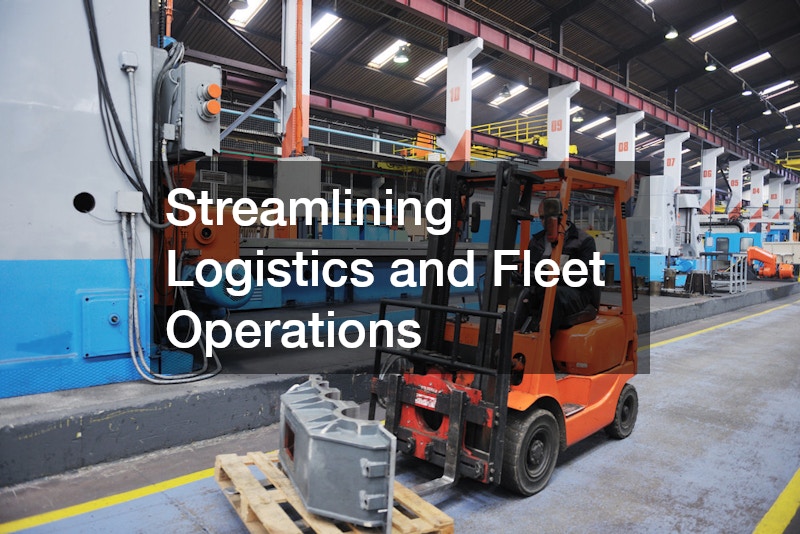
If your business involves moving goods, you know that transportation costs can spiral quickly. Fuel, vehicle maintenance, and driver downtime are major cost centers. Often, these costs are treated as “unavoidable,” but they are actually ripe for optimization. The key is to centralize control and make data-driven decisions about your assets.
Centralize Your Fuel Strategy
Fuel is likely one of your most volatile variable costs. If your drivers are filling up at retail gas stations using company credit cards, you are paying retail prices and losing visibility into purchasing behavior. Retail pumps are designed for the consumer, not the fleet manager. They come with the temptation of convenience store purchases and the administrative burden of reconciling hundreds of diverse receipts every month.
A more disciplined approach is to utilize dedicated commercial fuel services. These services can take two forms: on-site bulk fueling or fleet card programs. On-site fueling involves installing a tank at your facility or having a vendor wet-hose your trucks overnight. This ensures your fleet starts every shift with a full tank, eliminating the 20 minutes of downtime a driver spends finding a gas station during their route. Over a year, those recovered minutes add up to hundreds of billable hours. Alternatively, fleet card programs lock in wholesale or negotiated rates and provide detailed reporting on mileage and fuel economy, helping you identify vehicles that are underperforming.
Right-Size and Rotate Your Vehicle Assets
There is a prevalent myth in industrial operations that keeping an old truck running is always cheaper than buying a new one. This “paid-off” mentality ignores the Total Cost of Ownership (TCO). As vehicles age, their fuel efficiency drops, and their maintenance costs rise exponentially. More importantly, an older vehicle is less reliable. If a delivery truck breaks down en route, the cost isn’t just the tow and the repair; it is the missed delivery window, the dissatisfied client, and the paid idle time of the driver.
Conduct a fleet audit to determine the “tipping point” for your assets. This is the moment where the monthly maintenance and fuel penalty of an old vehicle exceeds the lease or loan payment of a new one. Replacing an aging commercial truck with a newer model often results in immediate fuel savings of 10-15%, lower insurance premiums due to modern safety features, and a reduction in unscheduled downtime.
- The 5-Year Rule: Evaluate light-duty vehicles for replacement every five years or 100,000 miles.
- Leasing vs. Buying: Leasing can free up capital and ensure you are always operating vehicles under warranty, shifting the risk of major repairs back to the manufacturer.
- Standardization: Stick to one or two manufacturers to simplify parts inventory and mechanic training.
Preventing Costly Emergency Repairs
In facility management, the most expensive work is always the work you didn’t plan for. Emergency repairs typically cost three to five times more than scheduled preventative maintenance. This premium comes from overtime labor rates, expedited shipping for parts, and the operational losses associated with shutting down a production line or facility. Moving from a “fix it when it breaks” mentality to a “maintain it so it doesn’t break” mentality is the single most effective way to smooth out your cash flow.
Protect the Structural Integrity of the Property
The exterior of your commercial building is its first line of defense against the elements. Yet, it is often the most neglected asset until water starts dripping onto the production floor. Weather, pollution, and UV radiation cause rapid deterioration of building materials. Small cracks in masonry or sealants can allow moisture to penetrate the wall cavity. Over time, this leads to rust, mold, and concrete spalling, which can compromise the structural integrity of the building.
Regular inspections of the commercial building facade are essential. A bi-annual inspection should look for loose mortar, failing caulking around windows, and signs of water staining. Catching a failing expansion joint early might cost a few hundred dollars to repair. Ignoring it until water infiltrates the building could result in tens of thousands of dollars in remediation costs and potential lawsuits if pieces of the facade become loose and fall. Proactive facade maintenance preserves the asset value of the property and prevents the catastrophic disruption of a building envelope failure.
Manage Plumbing and Waste Proactively
For industrial facilities, especially those with on-site cafeterias or food processing elements, plumbing is a critical vulnerability. The waste produced in these environments is often heavier and more prone to clogging than standard residential waste. A blockage in the main line can shut down an entire facility, sending employees home and halting production.
One of the most frequent offenders in plumbing disasters is the accumulation of fats, oils, and grease (FOG). Municipalities enforce strict regulations regarding FOG discharge to prevent damage to the city sewer system. If your facility fails to manage this, you face hefty fines and potential closure orders. Implementing a rigid schedule for your commercial grease trap maintenance is non-negotiable. It is not enough to pump it “when it looks full.” You must adhere to a schedule that keeps FOG levels below regulatory limits. Professional maintenance ensures the trap is functioning correctly, preventing back-ups into your facility and ensuring you remain in compliance with local environmental laws.
Outsourcing Specialized Manufacturing Processes
In the quest to reduce costs, many businesses mistakenly believe they should bring every process in-house. While vertical integration has its benefits, it also requires massive capital expenditure (CapEx). Buying specialized machinery that is only utilized 20% of the time is a poor use of capital. Smart businesses focus on their core competencies and outsource specialized, capital-intensive processes to vendors who can achieve economies of scale.
Rely on Experts for Metallurgy and Finishing
Consider processes like metal hardening or stress relieving. These require industrial ovens, precise temperature controls, and highly trained metallurgists to ensure quality. If your manufacturing process only requires these steps for a portion of your product line, maintaining this equipment in-house is a financial drain. You are paying for the floor space, the energy to run the ovens, and the maintenance of hazardous equipment.
By utilizing third-party commercial heat treating services, you convert a fixed cost into a variable cost. You pay only for the parts that are treated. These vendors operate their equipment 24/7, amortizing the cost of the machinery over thousands of customers, which allows them to offer a lower per-unit cost than you could achieve internally. Furthermore, you transfer the liability of quality control to them; if a part is not treated to specification, it is their responsibility to rectify it, not a loss on your production line.
Upgrade Facility Safety and Aesthetics Professionally
Similarly, maintaining the physical safety features of a plant often falls by the wayside. Broken windows, cracked safety barriers, or outdated storefronts are often patched temporarily by in-house maintenance staff. However, “good enough” repairs can lead to safety violations and higher energy costs.
Partnering with a professional commercial glass company allows you to upgrade your facility systematically. Modern industrial glass offers significant benefits beyond just letting light in. High-impact safety glass protects workers from machinery or external threats. Low-emissivity (Low-E) glass can significantly reduce the heat load on your building, complementing your insulation efforts. Additionally, if your facility has a showroom or client-facing entrance, the quality of the glazing reflects the quality of your brand. Outsourcing this installation ensures it meets all current building codes and safety standards, reducing your liability exposure.
Consolidating Soft Services to Reduce Admin Overload
“Soft services” refer to the non-technical tasks required to keep an office or facility running—janitorial work, landscaping, documentation, etc. Because these tasks are not “core” to the business, they are often managed haphazardly. This leads to “vendor sprawl,” where a company pays dozens of different small vendors, creating a massive administrative burden for the accounts payable department. Consolidating these services not only reduces admin work but often improves the quality of service.
Professionalize Your Sanitation Standards
Contracting professional commercial cleaning companies is a more efficient allocation of labor resources. Professional cleaners have the specialized equipment—such as floor scrubbers and industrial vacuums—to clean deeper and faster than your staff can. They also carry the liability for cleaning chemicals and safety training. A clean facility reduces fire hazards, improves air quality, and ensures that your skilled labor force stays focused on high-value production tasks.
Centralize Documentation and Branding
The final area of hidden cost is often the most mundane: printing and documentation. In many companies, printing is decentralized. Every department buys its own toner, paper, and desktop printers. This results in a chaotic inventory of mismatched cartridges and unmanaged maintenance costs. If a marketing department needs 500 brochures, they might print them on an inefficient office inkjet, costing a fortune in ink, or send them to a local shop at retail rates.
Engaging a managed commercial printing service can centralize this spend. For internal documents, managed print services (MPS) can optimize your fleet of printers, automatically ordering toner when levels are low and servicing machines before they break. For external marketing materials, manuals, or safety signage, a commercial partner offers offset or digital printing capabilities that provide a much lower cost-per-page for high volumes. This ensures brand consistency across all your materials and frees your administrative staff from the constant cycle of ordering supplies and troubleshooting printer jams.
Conclusion
Reducing costs in an industrial operation is most effective when it becomes an ongoing process rather than a one-time initiative. Small improvements in energy use, equipment reliability, procurement, logistics, and workforce efficiency can add up to significant savings over time. By examining how resources are consumed across the business, leaders can uncover unnecessary expenses while identifying opportunities to improve productivity and reliability.
The strongest cost-reduction strategies also protect the quality and performance of the operation. Energy-efficient systems can lower recurring expenses, proactive maintenance can reduce downtime and unexpected repair bills, and streamlined logistics can improve the movement of materials and products. Strategic outsourcing can also allow internal teams to focus on core responsibilities while giving specialized tasks to experienced providers.
The next step is to turn these principles into measurable action. Review utility expenses, maintenance records, supplier agreements, transportation costs, and recurring operating expenses to identify areas where resources may be wasted. Prioritize improvements based on their potential savings, implementation costs, and effect on productivity.
Ultimately, a more efficient industrial business is not simply one that spends less. It is one that uses its resources intentionally, prevents avoidable losses, and continually looks for better ways to operate. With consistent monitoring and strategic improvements, businesses can strengthen profitability, improve resilience, and build an operation that is prepared for long-term growth.
