Drain pipe lining is a method used to repair and rehabilitate existing pipelines without the need for extensive excavation. Essentially, it involves the installation of a new, seamless pipe within the existing damaged pipe. This innovative technique is known to extend the lifespan of your plumbing systems efficiently.
The lining process is typically required when there are noticeable issues like persistent leaks, frequent clogs, or reduced water flow. Besides, if you reside in a property with an ageing drainage system, opting for a new pipe lining might be a proactive approach to prevent potential plumbing emergencies.
Determining the need for drain pipe lining also involves recognizing warning signs, such as unusual odors, damp spots in the garden, or even sinkholes. These are indicators that there might be underlying issues with your drainage system. Homeowners often overlook these signs, assuming they are minor inconveniences, but they can signify larger problems. Addressing these issues early by installing a new drain pipe lining can save you from costly repairs down the road. Moreover, it can enhance the value of your property, ensuring it remains in optimal condition.
Installing a new drain pipe lining comes with several advantages. For one, it improves the overall efficiency of your drainage system, ensuring wastewater is directed away from your home effectively. Furthermore, it is a less invasive process compared to traditional pipe repair methods, thereby minimizing disruption to your property’s landscape. Additionally, a new lining can improve the structural integrity of the pipes, protecting them from future damage. This is particularly beneficial in preventing issues such as root intrusion, corrosion, and other common problems associated with old, deteriorating pipes.
How Does the Drain Pipe Lining Process Work?
The drain pipe lining process begins with a thorough inspection of the existing pipes using modern camera technology. This allows technicians to assess the condition and identify specific areas of concern without guesswork. Once a comprehensive evaluation is conducted, the technician can then decide on the appropriate action required to install the new lining. This step is crucial because it enables precise planning, ensuring that the relining process addresses all existing issues effectively. It also provides a clear visualization of the entire drainage system.
After the inspection phase, the actual lining process starts with cleaning the pipes to remove debris, blockages, and sludge that may have accumulated over time. This cleaning ensures that the lining adheres properly to the walls of the existing pipe. Next, a flexible liner coated with a durable, resinous material is inserted into the pipe. The liner is then inflated, pressing it against the pipe walls, where it hardens in place, creating a robust, new inner surface. This process essentially forms a pipe within a pipe, eliminating cracks and preventing future leaks.
Once the liner is in place, technicians cure it using hot air or UV light, depending on the specific materials used in the lining. This curing process solidifies the resin, forming a seamless, watertight seal that restores the pipe’s functionality. After curing, the system undergoes another round of inspection to ensure that the relining process was completed successfully and to confirm the structural integrity of the pipes. This final step guarantees that your drainage system will operate smoothly, providing peace of mind and long-term reliability.
What are the Costs Involved in Installing a New Drain Pipe Lining?
The cost of installing a new drain pipe lining can vary significantly based on several factors. These factors include the length of the pipe that needs to be relined, the complexity of the job, and the materials used in the lining process. Generally, while the initial costs of pipe lining might be high, they are often justified by the long-term savings and benefits. Unlike full pipe replacement, which involves extensive labor and potential landscape restoration, pipe lining offers a more economical alternative. Additionally, the fact that no extensive digging is required can significantly reduce labor costs and project duration.
On average, homeowners can expect to pay anywhere from $80 to $250 per foot of relined pipe, depending on the complexity and access to the pipes. While this might seem like a considerable investment, it’s important to note that this method repairs the inside of the pipes, eliminating the likelihood of future problems. In contrast, neglecting necessary pipe repairs can lead to significant water damage and costly repairs in the future. Therefore, investing in a new drain pipe lining can be seen as a proactive measure to safeguard your property’s infrastructure.
Moreover, many pipe lining services offer warranties or guarantees on their work, providing additional assurance to homeowners. This protection can be invaluable, especially in ensuring that your pipes remain in excellent condition for years to come. With advanced technologies in pipe lining, maintenance requirements are also reduced, leading to further long-term savings. As with any home improvement project, it’s advisable to obtain multiple quotes and conduct thorough research to ensure you’re getting the best value and service. This comprehensive approach will help you make an informed decision about the cost-effectiveness of installing a new drain pipe lining.
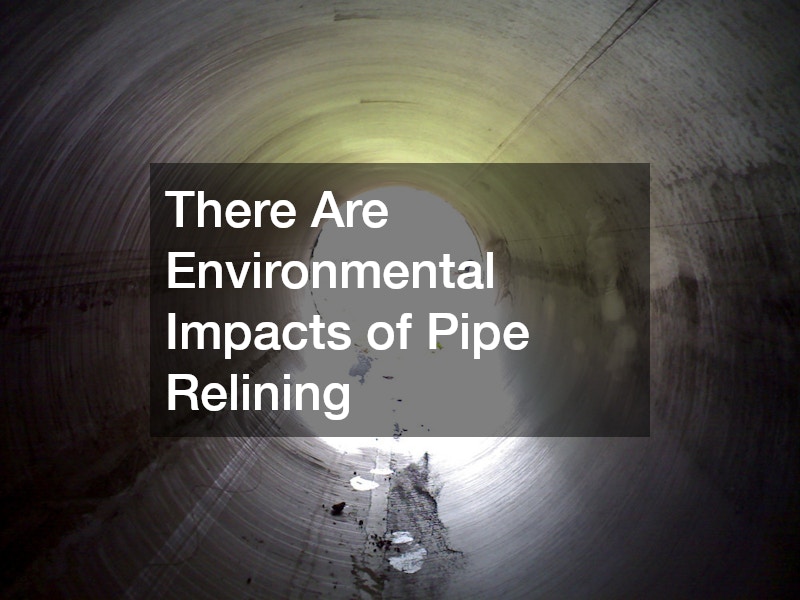
What are the Environmental Impacts of Pipe Relining?
Pipe relining is often seen as an eco-friendly solution to traditional pipe repair and replacement methods. The primary environmental benefit is that it significantly reduces the need for extensive excavation, thereby minimizing disruption to landscapes and preventing soil erosion. Traditional methods typically involve digging up large areas to replace pipes, which can be destructive to the surrounding environment. By contrast, pipe relining preserves existing infrastructure, reducing waste and utilizing fewer resources. This sustainable approach aligns with growing environmental awareness and the need for green solutions in modern construction practices.
Additionally, the materials used in pipe relining are designed to be durable and last for decades, which means fewer replacements are needed over time. This longevity reduces the frequency of repair-related activities, leading to fewer emissions from machinery and reduced consumption of raw materials. Furthermore, pipe relining can improve the overall efficiency of a drainage system, reducing the risk of leaks and contamination that could harm the environment. Efficiently functioning pipes mean that water is properly channeled away from sensitive ecosystems, safeguarding local flora and fauna.
Another environmental aspect of pipe relining is the reduction of energy consumption associated with traditional pipe repairs. The no-dig technology of pipe relining requires less equipment and manpower, leading to lower fuel consumption and reduced carbon emissions. Moreover, many relining processes utilize resins that are less harmful to the environment compared to other construction materials. As society increasingly prioritizes sustainable living, pipe relining offers a responsible choice for maintaining essential infrastructure without compromising environmental integrity.
How Can I Maintain My Drain Pipes After Relining?
Maintaining your drain pipes after relining is essential to ensuring their longevity and optimal performance. One of the simplest ways to do this is by being mindful of what goes down the drains. Avoid flushing non-degradable items, fats, and oils that can cause build-up and clogs. Regularly cleaning your drains with appropriate, non-corrosive cleaning agents can also help maintain their function. Homeowners should be aware that even with relining, minimal preventative maintenance is necessary to avoid issues that could compromise the new lining.
Additionally, scheduling professional inspections every couple of years can identify potential issues before they become major problems. These inspections can provide peace of mind by ensuring the integrity of the relined pipes and addressing minor problems promptly. Moreover, if you experience any signs of drainage issues, such as slow draining or unusual noises, these should be addressed immediately. Waiting could exacerbate the problem and lead to more costly repairs. By keeping a close watch on your plumbing system, you can proactively maintain its health and function.
Educating yourself and household members on the importance of pipe maintenance can further prolong the life of your relined pipes. Simple habits, like using mesh screens to catch debris in sinks and showers, can make a significant difference. Additionally, understanding the basic layout of your home’s plumbing system can help you identify the location of any issues that arise. Remember that proper maintenance goes hand in hand with the installation of the relined pipes, maximizing the investment and ensuring a reliable drainage system for years to come.
In conclusion, understanding when to opt for a new drain pipe lining requires a careful evaluation of both the current condition of your plumbing system and the symptoms of deterioration. The numerous advantages, from cost and environmental benefits to enhanced durability, make pipe relining a viable option for many homeowners. It’s an investment that not only safeguards your property but also contributes positively to environmental conservation. The eco-conscious nature of pipe relining, combined with its efficiency and cost-effectiveness, highlights its suitability for modern properties. By taking a proactive approach and maintaining your relined pipes, you can enjoy a hassle-free plumbing system that stands the test of time.