

The transition from the mild, breezy days of spring to the oppressive, sweltering heat of mid-summer is a shift that can test the absolute limits of your home’s climate control systems. When the temperature spikes, your cooling equipment transitions from being a modern convenience to a vital necessity for your family’s health, comfort, and productivity. A breakdown during a July heatwave is not just a minor inconvenience; it is a stressful, physically exhausting, and financially draining emergency that can displace you from your own home.
Unfortunately, the vast majority of homeowners operate under a reactive mindset. They wait until the first ninety-degree day to switch their thermostat to the cooling mode, crossing their fingers and hoping cold air blows out of the vents. When it does not, they are forced to join the back of a mile-long waiting list, paying exorbitant emergency dispatch fees just to get a technician to look at their struggling equipment. Proactive preparation is the only reliable defense against this scenario. By addressing potential vulnerabilities early, you take control of your comfort and your budget.
This comprehensive guide serves as your definitive roadmap for preparing your home for the intense summer months. We will thoroughly explore how to conduct initial diagnostics on your own, perform vital basic upkeep, identify early warning signs of mechanical failure, and understand the rigorous criteria required to hire true industry experts. Furthermore, we will walk you through the complex decision-making process of knowing exactly when to stop patching an aging unit and how to navigate a full-scale systemic upgrade, ensuring your property remains an oasis of cool, clean air no matter how hot it gets outside.
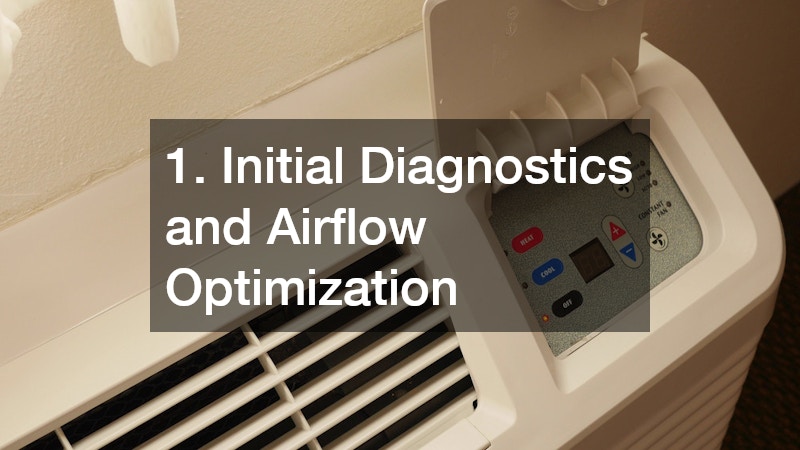
1. Initial Diagnostics and Airflow Optimization
Swap Out Your Filters to Prevent Motor Strain
The absolute most critical and easiest step you can take to protect your cooling equipment is managing the airflow returning to the machinery. Your system is designed to pull in a specific volume of warm indoor air, pass it over an icy evaporator coil to remove the heat and humidity, and push it back into your living spaces. The only barrier between the dust, pet dander, and hair in your home and the delicate internal components of your machinery is the air filter. When this filter becomes saturated, it acts like a brick wall, suffocating the entire process.
A clogged filter forces the indoor blower motor to work twice as hard to pull in the same amount of air. This intense strain causes the motor to overheat, drastically increases your monthly electrical consumption, and can cause the evaporator coil to literally freeze into a block of solid ice because there is not enough warm air passing over it to keep the condensation liquid.
-
Locate all return vents: Walk through your home and identify every return grille. These are typically the larger vents on the wall or ceiling that pull air in, rather than blowing it out.
-
Select the appropriate MERV rating: Do not automatically buy the thickest, most restrictive filter available. High-MERV filters (like MERV 13 or higher) can restrict airflow just as badly as a dirty filter if your blower motor is not rated for that level of static pressure. A standard MERV 8 filter is usually the perfect balance of protecting the equipment and maintaining strong airflow.
-
Establish a strict replacement schedule: Check your filters once a month. In homes with multiple shedding pets, heavy allergy sufferers, or active renovations, you may need to replace them every thirty days without exception.
-
Rely on early professional assessments: Scheduling routine hvac inspections in the early spring gives technicians plenty of time to catch severely blocked ductwork, test the airflow volume with an anemometer, and ensure the static pressure of the system is balanced before the peak operating season begins.
Clear the Perimeter Around Your Exterior Condenser
While the indoor unit absorbs heat, the outdoor unit (the condenser) is responsible for releasing that collected heat into the outside atmosphere. It accomplishes this using a large fan that pulls outside air through thousands of tiny aluminum fins surrounding the exterior coil. If this unit is choked by overgrown landscaping, yard debris, or dirt, the heat cannot escape. The system will run continuously, struggling to cool your home while driving up your energy bills and baking the internal compressor.
The outdoor environment is notoriously harsh on mechanical equipment. Throughout the fall and winter, leaves, pine needles, dirt, and snow pack themselves into the tight spaces of the condenser.
-
Establish a clearance zone: Grab a pair of heavy-duty pruning shears and cut back all bushes, shrubs, tall ornamental grass, and encroaching tree branches. You must establish a strict, two-foot clearance zone on all sides of the unit, and a minimum of five feet of clearance above it, to allow for unobstructed heat dissipation.
-
Inspect the physical fins: Look closely at the delicate aluminum fins on the outside of the unit. If they are mashed flat from hail damage, errant lawnmower rocks, or high-pressure power washers, air cannot flow through them. You can purchase a specialized “fin comb” to carefully straighten them out.
-
Commit to gentle cleaning: Turn the power to the unit completely off at the electrical disconnect box. Use a standard garden hose on a gentle setting (never a pressure washer) to carefully wash away cottonwood fluff, pollen, and mud from the outside in.
-
Understand the value of consistent upkeep: Regular, dedicated air conditioner maintenance of these exterior components prevents the compressor from repeatedly overheating, extending the lifespan of the most expensive part of your entire system.
2. Addressing Mechanical Wear and Tear Early
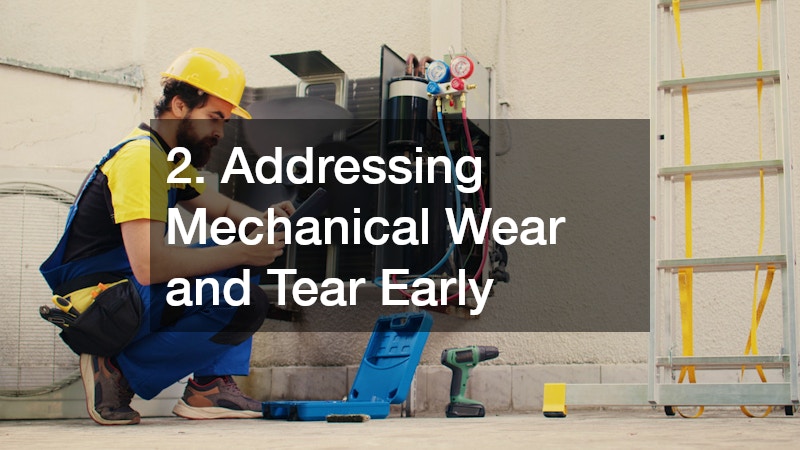
Listen for Unusual Noises During the First Startup
Your cooling system is a complex symphony of electrical relays, high-pressure gases, and heavy mechanical motors. When it operates normally, it should produce a steady, predictable hum. The very first time you turn the system on for the season is the most critical diagnostic moment. After sitting dormant for months, parts can seize, lubricants can dry out, and electrical contacts can corrode. You must actively listen to the equipment as it powers up to catch minor issues before they cascade into catastrophic mechanical failures.
Stand directly next to the indoor air handler when the thermostat calls for cooling, and then walk outside to observe the condenser engaging.
-
Identify grinding or metal-on-metal sounds: This almost always indicates that the bearings inside the blower motor or the outdoor fan motor are failing. If caught early, a technician can sometimes lubricate or easily swap the motor before it seizes entirely and damages the fan blades.
-
Listen for high-pitched squeals: In older systems that still use belt-driven fans, a squeal indicates a slipping or fraying belt that needs immediate replacement. In modern systems, it could indicate a failing compressor valve.
-
Beware of hissing or bubbling noises: If you hear a distinct hiss near the indoor coil or the outdoor copper lines, you likely have a refrigerant leak. The system will still run, but it will blow lukewarm air and eventually ruin the compressor.
-
Invest in pre-season servicing: A professional, thorough ac tune up addresses these exact vulnerabilities. A certified technician will tighten all high-voltage electrical connections, measure the microfarads of the capacitors, and lubricate all moving parts to eliminate the friction that causes these destructive noises.
Calibrate Your Thermostat for Summer Cooling Cycles
The thermostat is the brain of your climate control operation. If the brain is sending inaccurate signals or misreading the environment, the heavy machinery will operate chaotically, regardless of how well-maintained it is. Thermostats can lose their calibration over time, become caked with interior dust, or suffer from degrading battery power, leading to a massive disconnect between the temperature you set and the actual temperature of your living space.
Proper calibration and strategic thermostat management are essential for achieving consistent summer comfort.
-
Verify temperature accuracy: Tape a standalone, highly accurate digital thermometer to the wall directly next to your thermostat. Leave it there for twenty minutes. If the reading on the standalone thermometer differs from the thermostat by more than a degree or two, your thermostat is miscalibrated and needs to be reset or replaced.
-
Check the physical environment: Ensure that no heat-generating appliances, like floor lamps, televisions, or desktop computers, have been moved near the thermostat over the winter. Furthermore, check that direct sunlight from a nearby window is not hitting the plastic casing, which will cause the system to run endlessly.
-
Upgrade to smart technology: If you are still using a manual slider thermostat, consider upgrading to a programmable or Wi-Fi-enabled smart model. These devices learn your daily schedule and can automatically raise the temperature while you are at work, drastically reducing unnecessary cooling cycles.
-
Handle immediate red flags: If you notice your system turning on for just two minutes, shutting off, and immediately turning back on again (a phenomenon known as short-cycling), you must turn the thermostat off completely. Call a professional for immediate ac repairs, as this rapid on-and-off switching will permanently burn out your compressor within a matter of days.
3. Selecting the Right Professional for the Job

Verify Licenses, Insurance, and Manufacturer Certifications
If your initial diagnostics reveal a problem beyond a dirty filter or a tripped breaker, you will need to bring a professional into your home. The cooling industry is, unfortunately, flooded with unverified handymen and unlicensed “trunk slammers” who emerge during the first heatwave to make a quick profit. Allowing an unvetted individual to handle high-voltage electricity, highly pressurized chemical refrigerants, and natural gas lines (if you have a combined furnace) is a massive risk to your property and your family’s safety.
You must be relentless in your vetting process. Do not rely on a polite phone demeanor or a colorful logo on a truck. You need hard, documented proof of their technical and legal standing.
-
Demand proof of insurance: Request a direct copy of the company’s Certificate of Insurance (COI). You must verify that they carry active General Liability Insurance to cover any damage they might cause to your home, and Workers’ Compensation Insurance to protect you from being sued if a technician is injured on your property.
-
Check for NATE certification: North American Technician Excellence (NATE) is the industry’s golden standard for technical knowledge. Technicians who hold this certification have passed rigorous, specialized exams proving they understand the complex thermodynamics of modern cooling equipment.
-
Verify EPA Section 608 compliance: By federal law, anyone handling, recovering, or disposing of chemical refrigerants must carry a specific EPA certification. Ask to see this credential before allowing anyone to hook gauges up to your copper lines.
-
Choose established partners: Dedicate time to thoroughly researching a reputable HVAC company. Prioritize businesses that have a physical, verifiable brick-and-mortar office in your local community, a long history of local operation, and a clear chain of management you can contact if a dispute arises.
Demand Transparent, Written Estimates Before Work Begins
The financial aspect of mechanical servicing is where many homeowners are taken advantage of. Verbal agreements are entirely worthless when a dispute over an invoice occurs. A vague quote that simply states “Fix cooling unit – $800” at the bottom of a page is a massive red flag. This lack of detail gives the provider infinite room to hide exorbitant markups, utilize cheap aftermarket parts, or tack on surprise “disposal fees” at the end of the project.
A trustworthy, professional estimate should read like a detailed financial blueprint, breaking down exactly where every single dollar of your investment is going.
-
Require a line-item breakdown: Insist that the quote clearly separates the cost of labor (whether billed hourly or by a flat rate) from the cost of the physical parts.
-
Look for hidden fees: Ensure the estimate explicitly outlines whether diagnostic fees are waived if you proceed with the work, and whether the cost of safely recovering and recycling old freon is included in the final price.
-
Compare scopes of work, not just prices: When evaluating bids from several different HVAC contractors, do not automatically choose the cheapest option. A low-ball bid usually means the contractor is cutting critical corners, such as failing to pull a proper vacuum on the refrigerant lines to remove moisture, or neglecting to seal the sheet metal ductwork connections, which will cost you far more in the long run.
4. Evaluating the End of Your Unit’s Lifespan

Calculate the “5,000 Rule” to Weigh Replacement Costs
Eventually, no amount of proactive cleaning or expert tinkering can save a system that has simply reached the end of its mechanical life. Determining when to stop paying for recurring fixes and when to bite the bullet on a brand-new system is one of the most difficult financial decisions a homeowner has to make. Emotional attachment to the money you have already spent on past fixes can cloud your judgment, leading to a sunk-cost fallacy where you throw thousands of dollars at a unit that is destined for the scrapyard.
To make an objective, financially sound decision, industry experts recommend applying a simple mathematical formula known as the “5,000 Rule.”
-
Apply the formula: Take the estimated cost of the current repair you are facing and multiply it by the age of the equipment in years. If the total number exceeds $5,000, it is universally considered a wiser financial move to replace the unit entirely. For example, a $450 motor replacement on a 12-year-old system equals $5,400. You should replace the system.
-
Consider the refrigerant type: If your current system is old enough to utilize R-22 freon, replacement is almost mandatory if a leak occurs. R-22 has been federally phased out due to its environmental impact, making the remaining supplies astronomically expensive to purchase.
-
Factor in immediate utility savings: A modern air conditioning installation provides massive, immediate leaps in energy efficiency. Today’s systems boast incredibly high SEER2 (Seasonal Energy Efficiency Ratio) ratings, meaning they use a fraction of the electricity to produce the same amount of cooling, which can drastically lower your monthly bills and help offset the upfront cost over time.
Match New System Sizing to Your Home’s Exact Square Footage
If the math points toward a total replacement, you cannot simply look at the sticker on your old outdoor unit and order a new one of the exact same size. Homes change over time. You may have added new energy-efficient windows, blown extra insulation into the attic, or finished a basement. All of these factors alter the thermal dynamics of your home.
Installing a system that is incorrectly sized for your home’s current footprint is a catastrophic mistake. If the system is too small, it will run 24/7 and never cool the house. If it is too large, it will blast the house with cold air, satisfy the thermostat in five minutes, and shut off before it has a chance to pull the sticky humidity out of the air, leaving you feeling cold and clammy.
-
Demand a Manual J calculation: A true professional will never guess the size of the unit you need. They will perform a strict, mathematical Manual J load calculation. This involves measuring the square footage of every room, assessing the direction your windows face, determining the R-value of your insulation, and factoring in the number of people living in the home to calculate the exact BTUs required.
-
Seek out true specialists: Because sizing and ductwork calibration are incredibly complex, you should specifically seek out providers that dedicate a large portion of their business to highly technical ac installation services, ensuring the engineers designing your new system are not relying on outdated, inaccurate “rules of thumb.”
5. Executing a Major System Upgrade
Prepare Your Home’s Interior for Heavy Equipment
Committing to a full system replacement is a major construction event inside your living space. You are essentially allowing a team of workers to dismantle and remove hundreds of pounds of sharp sheet metal, heavy compressors, and copper piping from the heart of your home. If you do not proactively prepare your physical space for this chaotic event, you risk severe damage to your interior finishes and create a dangerous working environment for the technicians.
Taking control of the site preparation allows the crew to work significantly faster, safer, and with more respect for your property.
-
Clear the pathways: Walk the exact path the technicians will take from your driveway, through your front door, and down to the utility room or basement. Remove all area rugs, fragile wall art, decorative hall tables, and low-hanging light fixtures that could be bumped or knocked over by workers carrying heavy, bulky equipment.
-
Protect your flooring: While professional crews will bring their own protective gear, it is always wise to lay down your own heavy canvas drop cloths or thick cardboard runners over hardwood floors or light-colored carpets.
-
Secure your pets and family members: The installation process involves leaving exterior doors wide open for hours, loud drilling, and the use of heavy-duty torches. Lock dogs and cats securely in a bedroom or board them for the day to prevent escapes or injuries. Keep small children far away from the work zones.
-
Understand the physical reality: A complete hvac installation is an intense logistical operation that typically takes a full eight-to-ten-hour day, involving multiple technicians coordinating seamlessly to modify ductwork, run new high-voltage wiring, and braze copper lines simultaneously.
Secure Necessary Municipal Permits and Post-Work Audits
The physical placement and connection of the equipment is only the first phase of a successful upgrade. Because cooling systems interact heavily with your home’s electrical grid and often tie into natural gas lines via the furnace, local municipalities strictly regulate how these units are installed. Skipping the legal red tape is a massive liability that can result in heavy fines, voided home insurance policies, and severe complications if you ever attempt to sell the property.
A legitimate, high-quality replacement job is heavily documented from start to finish.
-
Verify the permitting process: Contact your local city or county building department to confirm whether a permit is required for heavy mechanical replacements. Ensure that the company you hire explicitly includes the cost and the legwork of pulling this permit in their contract. Never allow a salesperson to convince you to bypass the permit office to “save time.”
-
Participate in the final walkthrough: Once the tools are packed away, insist on a comprehensive walkthrough with the lead installer. They should show you the newly sealed ductwork, explain where the new filter is located, and demonstrate exactly how to connect the new smart thermostat to your home’s Wi-Fi network.
-
Finalize the paperwork: Elite hvac installations always conclude with a strict handover of documentation. The company must provide you with the user manuals, proof that they have officially registered the equipment with the manufacturer to activate the 10-year parts warranty, and a scheduled date for the city inspector to come and perform the final safety audit.
Conclusion
Preparing your home for the intense realities of summer is not a task that can be left to chance or tackled at the last minute. By adopting a proactive mindset early in the spring, you transform your home into a resilient fortress against the heat. The simple acts of swapping out restrictive filters, clearing natural debris away from your exterior condenser, and listening closely to the mechanical heartbeat of your system can add years of life to your equipment and save you thousands of dollars in avoidable emergency repairs.
When the time inevitably comes to seek outside help, arming yourself with the knowledge of how to properly vet professionals ensures you will never be taken advantage of. Demanding strict proof of insurance, requiring itemized estimates, and insisting on precise mathematical load calculations are the hallmarks of a smart, protected consumer. Whether you are scheduling a simple routine checkup or orchestrating a massive, whole-home systemic upgrade, these rigorous standards guarantee that the technicians working in your home are true craftsmen dedicated to your safety and comfort.
Do not wait until the first heatwave leaves you sweating in your own living room. Take action today. Walk outside and clear the perimeter of your condenser, run a test cycle on your thermostat to verify its accuracy, and contact a trusted, certified local professional to establish a baseline diagnostic for your equipment. By putting in the effort now, you guarantee that when the extreme summer heat arrives, your home will remain a perfectly chilled, comfortable sanctuary.
