
Americans are changing how and where they seek medical and personal care, favoring speed and convenience over waiting rooms and long appointment backlogs. This shift is not just a lifestyle trend, it is reshaping entire industries and creating new opportunities for everyday investors who pay attention. Understanding why people are choosing faster care options can reveal which sectors have real staying power versus which are riding a temporary wave. If you are trying to figure out where your money might grow alongside consumer behavior, this breakdown of the quick-care boom is a useful starting point.

Why Patients Are Avoiding Traditional Hospital Visits
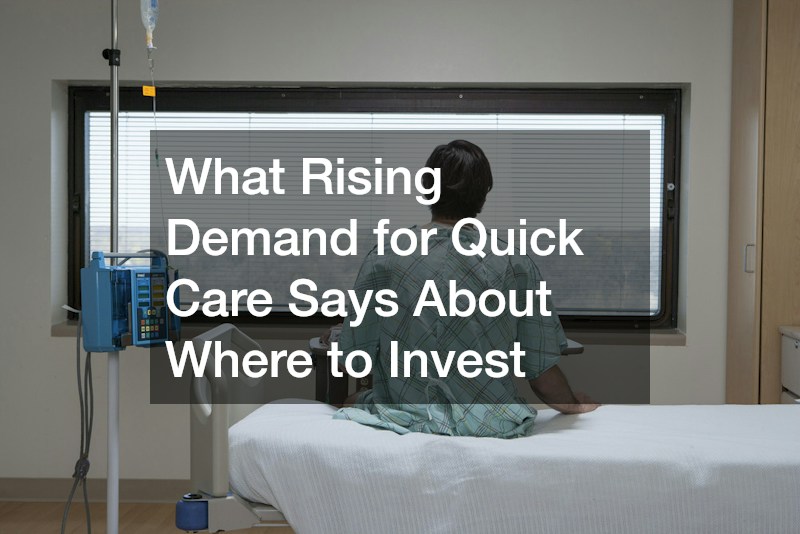
For decades, a trip to the hospital was the default response to almost any urgent health concern, but that pattern is fading fast. Average emergency room wait times now stretch past two hours in many facilities, and a single visit can cost patients thousands of dollars even for relatively minor issues. Combined with overcrowding and the sense of navigating an impersonal system, these frictions have pushed patients to look for alternatives that feel faster, cheaper, and less intimidating. Many people now reserve the emergency room strictly for life-threatening situations like chest pain, severe injuries, or stroke symptoms.
For everything else, from sprained ankles to persistent fevers, they’re turning to urgent care clinics, telehealth platforms, and retail health kiosks that promise same-day service without the hours-long wait. This shift isn’t just about convenience; it also reflects growing price sensitivity among patients with high-deductible insurance plans who now shoulder more out-of-pocket costs than ever before. When a $150 urgent care visit can resolve the same problem as a $1,200 emergency room bill, the decision becomes an easy one for most households. This behavioral shift is one of the clearest signals investors use to identify where healthcare spending is heading next.
Insurance companies have also played a role by encouraging members to avoid unnecessary hospital visits through cost-sharing incentives. Higher copays for emergency room use, paired with lower out-of-pocket costs for urgent care or telehealth visits, push patients toward cheaper alternatives for non-life-threatening issues. Some insurers have gone further, requiring prior authorization or steering members through nurse hotlines before approving ER coverage. As a result, hospital systems themselves are investing in smaller, faster-access facilities to keep patients within their networks.
Rather than losing patients to independent urgent care chains, many health systems are opening their own branded express clinics, freestanding ERs, and micro-hospitals in suburban areas. These facilities often cost a fraction of a full hospital wing to build and staff, while still capturing referral revenue for specialists, imaging, and follow-up care. This blending of traditional and convenient care models is worth watching closely. For investors, it signals opportunity not just in standalone urgent care startups, but in the real estate, staffing platforms, and software systems that support hospital-affiliated quick-care expansion. The line between “hospital” and “urgent care” is blurring, and the companies that help bridge that gap efficiently stand to benefit most.
- Rising copays for hospital-based emergency visits, sometimes $500–$1,000+ for non-life-threatening issues, pushing cost-conscious patients toward cheaper alternatives
- Shorter attention spans and less patience for long waits, with average ER wait times often exceeding two hours versus 15–30 minutes at urgent care clinics
- Growing comfort with telehealth triage before an in-person visit, letting patients get a quick virtual assessment and referral without setting foot in a facility
- Hospital systems opening satellite urgent care locations to capture lower-acuity cases closer to home, reducing strain on main ER capacity
- Increased price transparency tools and insurer apps that steer patients toward lower-cost, faster care settings for non-emergencies
- A cultural shift toward treating healthcare like any other on-demand service, expecting convenience comparable to retail or food delivery
The Rise of Convenient Local Clinics
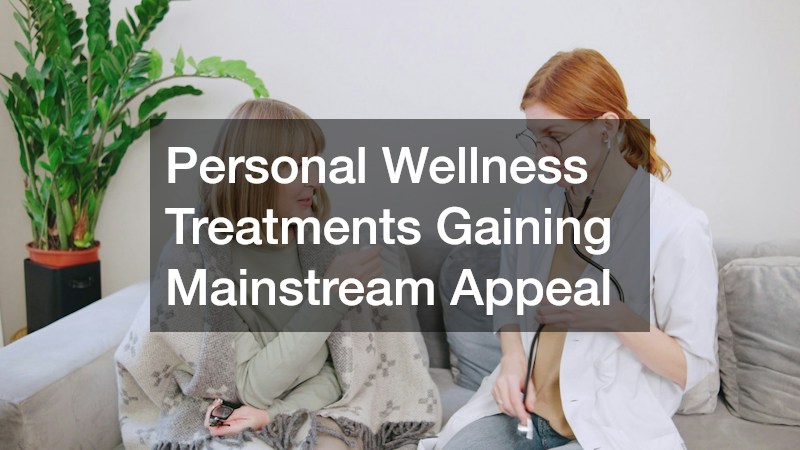
One of the most visible signs of this shift is the explosion of small, accessible clinics popping up in strip malls, pharmacies, and neighborhood shopping centers. A walk in clinic offers something hospitals often cannot: short wait times, transparent pricing, and treatment for common ailments without an appointment. These clinics have become especially popular among younger adults and busy parents who need fast answers without disrupting their entire day. The business model is simple, efficient, and scalable, which is exactly why investors have taken notice.
The appeal goes beyond convenience alone. Many of these facilities now offer extended hours, weekend availability, and basic diagnostic testing on-site, making them a genuine substitute for primary care in some communities. This steady expansion suggests the model is not a passing fad but a long-term fixture of how people manage everyday health needs.
- No appointment necessary for most visits
- Treatment for colds, minor injuries, and infections
- Often cheaper than hospital-based urgent care
- Growing presence in suburban and rural areas alike
Personal Wellness Treatments Gaining Mainstream Appeal
Quick care is not limited to illness and injury anymore. Consumers are increasingly seeking fast, minimally invasive wellness treatments that fit into a lunch break or a weekend errand run. A pshot, a treatment marketed toward improving sexual wellness using a patient’s own blood plasma, has become one example of how niche medical procedures are entering mainstream consumer awareness through word of mouth and social media. This reflects a broader pattern where people want effective results without committing to lengthy recovery times or multiple follow-up visits.
The popularity of these treatments also signals a shift in how people view healthcare spending altogether. Rather than treating wellness as a luxury, many consumers now budget for it the same way they would a gym membership or skincare routine. This normalization of fast, outcome-driven treatments is part of what makes the broader wellness economy attractive to long-term investors.
- Treatments often completed in a single short visit
- Growing demand driven by social media awareness
- Shift from reactive care to proactive wellness spending
- Increasing availability outside traditional medical offices
Beauty and Skincare Careers Riding the Same Wave
The demand for speed and personalization has not stayed confined to medicine. It has spilled into the beauty industry, where consumers want visible results quickly and from providers they trust. This has fueled strong interest in esthetician training programs, as more people pursue careers offering facials, chemical peels, and other in-demand skincare services. Training programs have adapted by offering flexible schedules and shorter certification tracks to meet rising enrollment.
This growth matters for investors because it points to a workforce pipeline supporting an entire retail and service economy. Skincare clinics, spas, and dermatology offices all rely on trained professionals to meet consumer demand, and that demand shows no signs of slowing. Watching enrollment trends in these training programs can offer early clues about which regions are seeing the fastest growth in personal care spending.
- Shorter certification timelines attracting career changers
- Rising demand for skincare services among younger consumers
- Expansion of training programs in both cities and suburbs
- Strong hiring demand from spas, salons, and dermatology clinics
Mental Health and Addiction Services Expanding Access
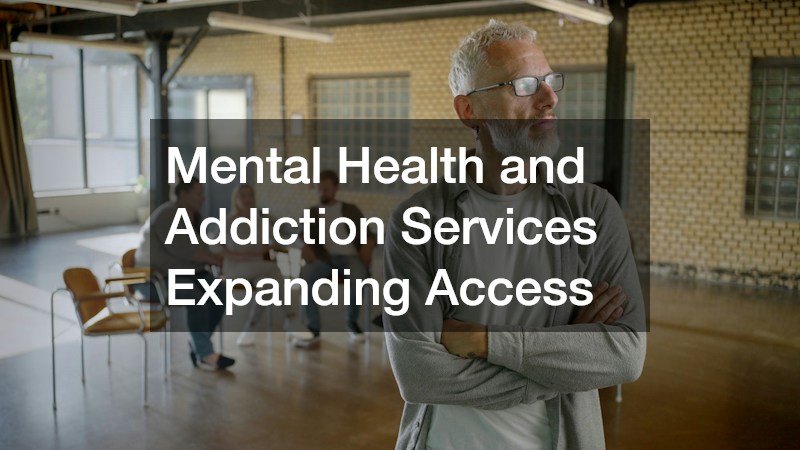
Another area experiencing rapid change is mental health and substance use treatment, where demand has outpaced available resources for years. Many families searching for help are now exploring full residential drug rehab programs that offer structured, immersive treatment away from daily triggers and stressors. These programs have expanded in both number and geographic reach as public awareness of addiction as a medical condition, rather than a personal failing, continues to grow.
Insurance coverage changes have also made these programs more accessible to middle-income families who previously could not afford extended treatment. As acceptance grows and stigma decreases, facilities are investing in better amenities, more specialized staff, and longer-term support systems. This expansion reflects a healthcare sector that is both humanitarian in purpose and increasingly viable from a business standpoint.
- Growing insurance coverage for extended treatment stays
- Increased demand for specialized, trauma-informed care
- Expansion into suburban and rural communities
- Rising investment in aftercare and relapse prevention programs
Spotting Durable Trends Versus Short-Term Fads
Not every fast-growing health or wellness trend deserves a place in a long-term investment strategy. Some services surge in popularity due to viral attention but fade once the novelty wears off, while others address a lasting, structural need in how people live and work. The key is looking for services that solve a real, recurring problem rather than offering a one-time novelty experience. Convenience alone is not enough; the service also needs consistent repeat demand to be considered durable.
Investors should also pay attention to regulatory stability, insurance reimbursement trends, and workforce availability, since these factors determine whether a growing service can scale sustainably. A trend supported by trained professionals, consistent demand, and adaptable business models is far more likely to endure. Patience and research matter more than chasing the latest headline.
- Look for repeat customer demand, not one-time novelty use
- Check whether insurance or public funding supports the service
- Evaluate workforce pipelines and training availability
- Watch for regulatory changes that could limit growth
The growing demand for fast, accessible care is reshaping healthcare, wellness, and beauty industries in ways that create real opportunities for informed consumers and investors alike. Rather than reacting to headlines, take time to study which services solve lasting problems and which are simply riding a temporary trend. Pay attention to workforce growth, insurance support, and consumer habits, since these factors often reveal where sustainable demand is heading next. Use this understanding as a starting point for your own research before making any financial decisions.
