
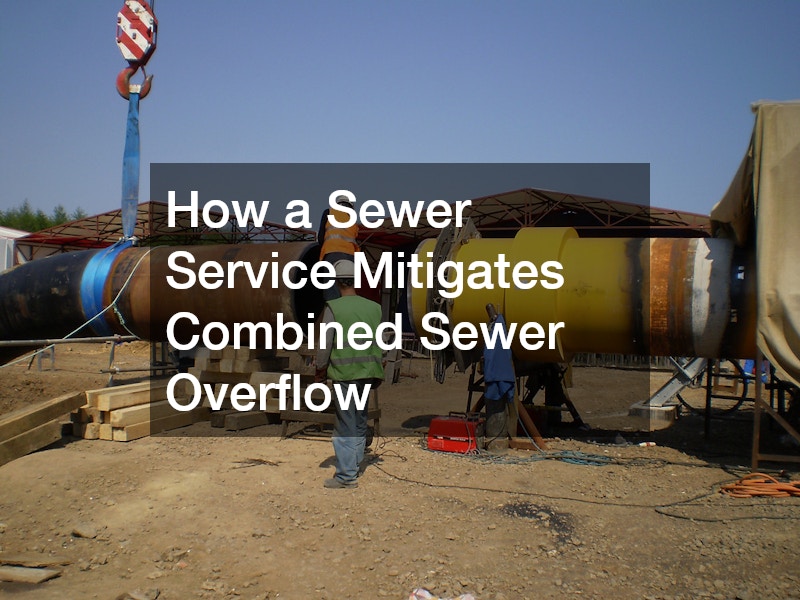
Combined sewer overflow, often abbreviated as CSO, is a persistent challenge in older urban infrastructure systems where stormwater and wastewater share the same pipes. During periods of heavy rainfall or rapid snowmelt, these systems can exceed capacity, forcing untreated or partially treated wastewater into nearby waterways. This not only threatens environmental health but also raises public safety concerns. A modern sewer service plays a critical role in reducing the likelihood and severity of these overflow events through a combination of inspection, maintenance, and infrastructure upgrades.
Understanding the Causes and Impact of Combined Sewer Overflow
Combined sewer systems were originally designed to efficiently carry both sewage and stormwater through a single pipeline network. While practical for their time, these systems were not built to handle the increasing volume associated with urban expansion and changing weather patterns.
When rainfall exceeds system capacity, excess flow is discharged directly into rivers, lakes, or coastal waters without full treatment. This process defines a combined sewer overflow event.
The environmental consequences are significant. Overflow water can contain pathogens, nutrients, and debris that degrade water quality and harm aquatic ecosystems. Elevated bacteria levels can make recreational waters unsafe, while excess nutrients may contribute to algal blooms that disrupt natural balances. These effects often extend beyond the immediate discharge area, impacting broader watersheds.
Public infrastructure strain is another key concern. Frequent overflow events accelerate wear on aging systems, increasing the risk of pipe failure and costly emergency repairs. Municipalities must also manage regulatory compliance, as environmental agencies enforce strict limits on discharge frequency and volume. Without intervention, the cycle of overflow and degradation becomes increasingly difficult to control.
This is where a proactive sewer management service becomes essential. By identifying vulnerabilities within the system and addressing them before peak stress events occur, service providers help municipalities reduce both environmental impact and long-term infrastructure costs.
Preventive Maintenance and System Optimization
Routine maintenance is one of the most effective strategies for mitigating combined sewer overflow. Over time, debris, grease buildup, and sediment accumulation can restrict pipe capacity, making overflow more likely even during moderate rainfall. A professional sewer service uses techniques such as hydro jetting and mechanical cleaning to restore full flow capacity within the system.
Inspection technologies also play a vital role. Closed-circuit television, or CCTV, inspections allow technicians to assess pipe conditions in real time, identifying cracks, blockages, and structural weaknesses. Early detection enables targeted repairs that prevent minor issues from escalating into system-wide failures. This level of precision improves overall system efficiency and resilience.
In addition to cleaning and inspection, system optimization often involves recalibrating flow control mechanisms. Regulators, gates, and storage basins must function correctly to manage fluctuating water volumes. Regular testing and adjustment ensure these components respond effectively during heavy rainfall events, reducing the likelihood of overflow discharge.
Infrastructure Upgrades and Sustainable Solutions
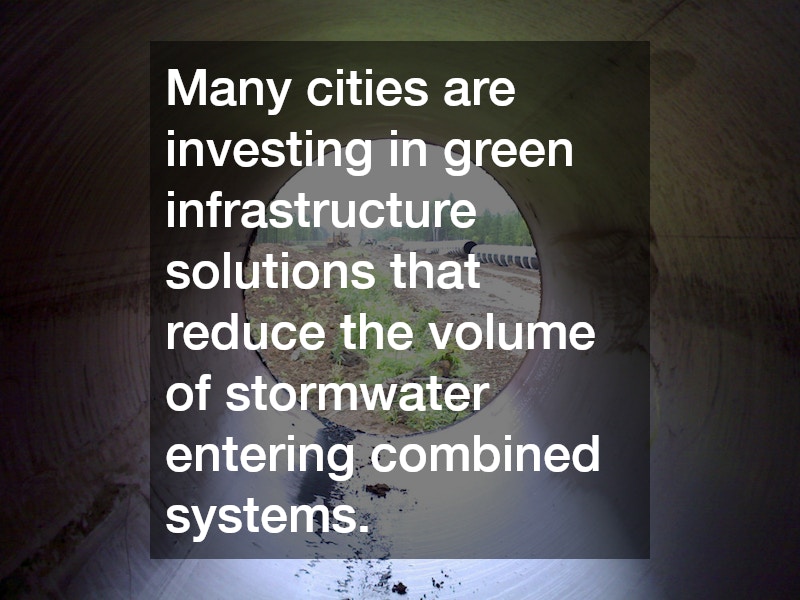
While maintenance is critical, long-term mitigation of combined sewer overflow often requires structural improvements. Many cities are investing in green infrastructure solutions that reduce the volume of stormwater entering combined systems. Permeable pavements, green roofs, and rain gardens absorb and filter runoff at the source, easing the burden on sewer networks.
Storage expansion is another key strategy. Retention basins and underground storage tunnels temporarily hold excess water during peak flow periods, allowing treatment facilities to process it gradually. These systems act as buffers, preventing immediate overflow and reducing environmental discharge.
Pipe separation projects represent a more extensive solution. By creating distinct systems for stormwater and wastewater, municipalities eliminate the primary cause of combined overflow events. Although costly and time-intensive, this approach offers a permanent reduction in overflow risk and aligns with modern infrastructure standards.
A forward-thinking sewer management service often supports these initiatives by providing data analysis and planning expertise. Accurate system modeling helps determine where upgrades will have the greatest impact, ensuring resources are allocated efficiently. This strategic approach balances immediate mitigation needs with long-term sustainability goals.
Combined sewer overflow remains a complex issue rooted in aging infrastructure and evolving environmental demands. However, it is not an unavoidable problem. Through consistent maintenance, advanced inspection methods, and strategic infrastructure improvements, municipalities can significantly reduce overflow frequency and impact. A reliable sewer service serves as both a preventive measure and a long-term partner in system modernization. By addressing the issue from multiple angles, communities can protect water quality, maintain regulatory compliance, and build more resilient urban environments for the future.
