

Transforming your property isn’t just about applying a fresh coat of paint or swapping out an old light fixture; it is a comprehensive, multi-layered process that redefines how you interact with your living space every single day. A major property upgrade is a monumental undertaking that can dramatically increase your home’s long-term market value, radically improve your daily comfort, and create an environment that perfectly reflects your personal lifestyle. However, it is also an endeavor that carries immense financial and logistical weight. The sheer scale of taking a property from its current, outdated state and elevating it to a modern masterpiece requires an ironclad strategy.
Many homeowners dive into major property upgrades haphazardly, driven entirely by the excitement of aesthetic changes. They spend hundreds of thousands of dollars on luxury interior finishes—like imported hardwood floors, custom cabinetry, and high-end appliances—while completely ignoring failing exterior systems or outdated core utilities. This backward approach inevitably leads to tragedy. When an aging roof fails or an unmanaged hillside collapses, those brand-new, expensive renovations are instantly destroyed, leaving the homeowner with depleted budgets and a house that is essentially unlivable.
A successful property transformation requires a strategic, top-down, and inside-out approach. You must prioritize the building envelope and heavy earthmoving long before you begin executing delicate cosmetic details inside the house. By strategically sequencing your upgrades—beginning with exterior protection, moving to interior core systems, retaining the earth, expanding outdoor living spaces, and finalizing your property boundaries—you can achieve a breathtaking property transformation that is structurally sound, highly efficient, and built to last for generations.
Phase 1: Top-Down Protection and Weatherproofing
The journey of transforming your property begins at the highest point of your home. It might lack the immediate visual thrill of a newly remodeled kitchen, but prioritizing the roof is a matter of basic structural survival. Your home’s exterior envelope is its primary armor against the relentless forces of nature. If this armor is compromised, every dollar you plan to spend on the interior of the house is at severe risk. Water is the ultimate enemy of residential architecture, capable of rotting framing, compressing insulation, and fostering toxic black mold behind your drywall. Securing this boundary is the non-negotiable first step.
Conduct a Complete Tear-Off to Expose Hidden Decking Rot
When addressing the top of your home, the most critical decision you will make is how to handle the existing materials. It can be incredibly tempting to save a portion of your budget by simply nailing a second layer of new shingles directly over the old ones. However, this shortcut is a massive mistake that will haunt your property transformation. Layering materials adds immense, unnecessary weight to your roof trusses and, more importantly, it hides the catastrophic damage that may be lurking beneath the surface.
You must mandate a full tear-off down to the bare wooden decking. Over the years, microscopic leaks can cause the plywood sheathing beneath your shingles to delaminate, rot, and lose its structural integrity. If you do not strip the roof bare, you cannot replace these failing sheets of wood. Investing in comprehensive roof replacements ensures that you are building your new weather barrier on a solid, uncompromised foundation. Once the raw wood is exposed and repaired, you can upgrade the entire moisture management system, protecting the drywall, high-end flooring, and complex electrical work that will soon be installed below.
To guarantee your newly protected home remains dry and structurally sound, mandate these specific weatherproofing protocols:
-
Upgrade to Synthetic Underlayment: Abandon traditional, tear-prone asphalt-saturated felt paper. Demand a high-quality synthetic underlayment that rolls out flat, resists tearing in high winds, and provides a vastly superior, slip-resistant moisture barrier across the entire expanse of the roof deck.
-
Install Heavy-Duty Ice and Water Shields: Ensure a thick, rubberized membrane is adhered directly to the wood decking along all eaves, inside every roof valley, and around all penetrations like chimneys, skylights, and plumbing vents to prevent leaks caused by standing water and winter ice dams.
-
Meticulously Manage Intersecting Flashing: The vast majority of leaks occur at the intersections where the roof meets a vertical wall, such as a dormer. Verify that metal step flashing is woven individually into each course of shingles to aggressively kick water away from the siding.
Match Shingle Materials to Your Local Climate Profile
Once the structural decking is repaired and the underlayment is locked in, the focus shifts to the outermost visible layer. The materials you select for your capstone do more than just establish the architectural curb appeal of your home; they dictate how well the structure will survive the specific weather phenomena of your geographic region. A material that performs beautifully in a dry, mild climate might fail spectacularly in an area prone to severe humidity, heavy snow loads, or high-velocity winds.
This is why consulting a highly vetted roofing contractor is absolutely essential. These professionals understand the localized weather patterns and the strict municipal building codes designed to combat them. They can guide you toward materials that offer the highest return on investment and the greatest longevity. For example, if you live in an area prone to severe hail storms, they will recommend upgrading to Class 4 impact-resistant architectural shingles. While the upfront cost is higher, these materials drastically reduce the risk of impact damage and frequently qualify you for significant discounts on your homeowner’s insurance premiums.
-
Consider High-Albedo Materials in Hot Climates: If your property is located in a sun-drenched region, opt for “cool roof” materials that feature highly reflective granules. These materials bounce solar radiation back into the atmosphere, preventing your attic from superheating and reducing your summer cooling costs.
-
Balance the Intake and Exhaust Ventilation: A roof must breathe to survive its projected lifespan. Ensure that your soffit intake vents are completely clear of attic insulation and that they are perfectly mathematically balanced with the exhaust capacity of your ridge vents.
-
Evaluate Upgrading to Standing Seam Metal: For the ultimate upgrade in longevity and modern aesthetics, consider a hidden-fastener standing seam metal roof. These systems shed heavy snow effortlessly, are highly resistant to hurricane-force winds, and can easily last over fifty years with minimal maintenance.
Phase 2: Upgrading the Core Interior and Climate Comfort
With the exterior shell completely locked down and weather-tight, the transformation naturally shifts inward. This phase focuses on the high-value areas that define daily interior luxury: the functional surfaces of your cooking spaces and the invisible but deeply felt climate control systems. Modernizing these core elements elevates the everyday experience of living in the home, moving it from merely functional to exceptionally comfortable.
Select Non-Porous Surfaces for Low-Maintenance Cooking Zones
The kitchen is universally recognized as the heart of the home and the epicenter of any major interior property upgrade. It is a highly technical workspace that requires a delicate balance between breathtaking aesthetics and rugged durability. When transforming this space, homeowners often gravitate toward natural stones like marble for their countertops, drawn by the classic veining and undeniable luxury status. However, natural marble is incredibly porous and highly reactive to acids. A spilled glass of red wine or a splash of citrus juice can leave permanent, unsightly etch marks and deep stains if the surface is not meticulously and constantly chemically sealed.
For a low-maintenance, high-durability cooking zone, opt for engineered quartz instead. Engineered quartz offers the luxurious aesthetic of natural stone but is manufactured with resins that make the surface completely non-porous. It will never require chemical sealing, is highly resistant to scratching, and repels stains effortlessly. Collaborating with specialized countertop contractors ensures that this premium material is handled correctly. These experts perform precise digital laser templating to ensure a flawless fit against your newly plastered walls, manage seamless color matching at the joints, and engineer the proper hidden steel supports required for massive, heavy stone overhangs on your kitchen islands.
-
Prioritize the “Work Triangle” Layout: Before the counters are templated, ensure your underlying cabinet layout optimizes the distance between the sink, the stove, and the refrigerator. This classic architectural rule minimizes unnecessary steps and creates a highly efficient cooking environment.
-
Integrate Task and Ambient Lighting: Do not rely solely on harsh, overhead recessed lighting. Plan for continuous, warm-toned LED light strips tucked beneath your upper cabinets to wash the new stone surfaces in bright, shadow-free task lighting.
-
Upgrade to an Undermount Workstation Sink: Maximize your new counter space by installing a deep, single-basin undermount sink equipped with an integrated interior ledge. This allows custom cutting boards, colanders, and drying racks to slide seamlessly over the basin, keeping messy prep work completely off your new counters.
Zone Your Airflow to Eliminate Hot and Cold Spots
A property can feature the most beautiful, expensive finishes in the world, but if the home is freezing in the winter, stifling in the summer, or plagued by damp, stagnant air, it will be miserable to live in. True luxury living requires premium indoor air quality and precise, effortless temperature regulation. When you undergo a major interior remodel—especially if you remove walls to create an open-concept floor plan or add significant square footage—your existing, aging climate systems will be completely mismatched to the new layout of the house.
You must abandon the outdated concept of relying on a single thermostat in a central hallway to dictate the comfort of the entire property. This old method inevitably leads to freezing basements and sweltering second-story bedrooms. By bringing in a reputable heating and ac company, you can completely modernize the thermal dynamics of your home. They will evaluate your new floor plan, perform strict mathematical load calculations, and design a system that delivers perfectly conditioned air exactly where it is needed, exactly when it is needed.
-
Demand a Manual J Load Calculation: Never allow a technician to guess the size of your new equipment based on a generic square-footage formula. A Manual J calculation accounts for the direction your windows face, the thickness of your new insulation, and your local climate to precisely size the machinery.
-
Implement Electronic Zoned Climate Control: Install electronic duct dampers and a multi-zone control board. This allows you to independently regulate the temperature in the sleeping areas versus the main living spaces, drastically improving nighttime comfort while saving energy.
-
Integrate Whole-Home Humidity Control: True comfort is not just about temperature; it is about moisture. Add a whole-home bypass humidifier for the dry winter months and ensure your cooling system is calibrated to aggressively strip excess humidity from the air during the muggy summer season.
Phase 3: Shaping the Terrain and Heavy Stonework
As the interior approaches its final stages of refinement, the property transformation must move outside to address the raw earth. This phase tackles the massive, heavy architectural elements required to tame the landscape. Whether you are dealing with drastic elevation changes or simply looking to integrate timeless, heavy stonework into your exterior design, shaping the terrain is a critical step that bridges the gap between raw nature and structured, residential living.
Install Perforated Drainage Pipes to Relieve Hydrostatic Pressure
Properties with significant slopes or drastic elevation changes present unique challenges during a makeover. To create usable, flat yard space or to safely carve out room for an expanded driveway, you must hold back massive amounts of earth. Retaining structures are not mere garden borders; they are highly engineered, load-bearing walls holding back tens of thousands of pounds of wet soil. If these structures are built without a deep understanding of subterranean physics, they will inevitably bow, crack, and collapse violently.
The greatest threat to an earth-holding structure is hydrostatic pressure. When it rains, the soil behind the wall absorbs the water, expanding and becoming exponentially heavier. If this water has nowhere to go, the immense pressure will push the wall outward. Utilizing engineered retaining wall contractors is absolutely vital to prevent massive soil erosion and structural failure. They ensure that heavy terraces are built with deep, compacted trenches, utilize proper deadmen tie-backs that anchor the wall deep into the hillside, and implement optimal, fail-safe water management systems.
-
Incorporate Proper Subterranean Drainage: Ensure any earth-holding structure over three feet tall includes a perforated PVC pipe wrapped in a protective silt sleeve. This pipe must be buried at the base of the wall in 12 inches of clean, crushed gravel to safely catch and redirect groundwater away from the structure.
-
Establish a Perfectly Level Base Trench: The longevity of the entire wall relies on the very first course of stone. The base trench must be excavated below grade and filled with heavily compacted aggregate to ensure the wall starts perfectly level and resists the settling forces of the earth.
-
Step Back the Vertical Face: A retaining structure should rarely be built perfectly plumb (straight up and down). Ensure the contractors engineer a slight backward tilt—known as a batter—into the wall, leaning it into the retained earth to increase its structural leverage against the massive weight behind it.
Utilize Natural Stone for High-Durability Architectural Accents
Once the functional, earth-retaining structures are securely in place, the focus of the heavy exterior work shifts to high-end aesthetic value. Integrating natural stone into your property makeover provides an unparalleled sense of permanence, luxury, and historical grounding. Unlike wood, which will eventually rot, or vinyl, which fades and cracks under UV radiation, heavy masonry is built to withstand the harshest weather conditions on earth while requiring virtually zero maintenance over its lifetime.
To achieve a cohesive, master-planned look, you must match your exterior hardscape accents to the primary architecture of the house itself. The expertise of a skilled mason contractor is invaluable during this process. They possess the artistic eye and the technical knowledge required to build custom outdoor fire pits, massive brick veneer columns, or structurally sound outdoor kitchens that endure harsh weather without settling or cracking. They know how to mix the correct mortar types to prevent the faces of the stone from spalling during freezing weather, ensuring your investment looks pristine for decades.
-
Match the Stone Profile to the Architecture: Use tumbled, irregular fieldstone with thick, brushed mortar joints for a rustic, organic, farmhouse aesthetic. Conversely, select sleek, linear-cut limestone or slate with tight, dry-stacked joints for a sharp, contemporary, modern look.
-
Include Proper Moisture Cavities: If applying stone veneer to the exterior walls of your home or an outdoor kitchen structure, ensure a one-inch air gap and a moisture barrier are installed behind the masonry to allow trapped condensation to safely weep out.
-
Cap Horizontal Surfaces Adequately: Any exposed horizontal masonry surface—such as the top of a column, a seating wall, or a chimney—must be finished with a solid, slightly pitched stone cap. This prevents standing rainwater from seeping down into the porous mortar joints and freezing, which tears the structure apart from the inside out.
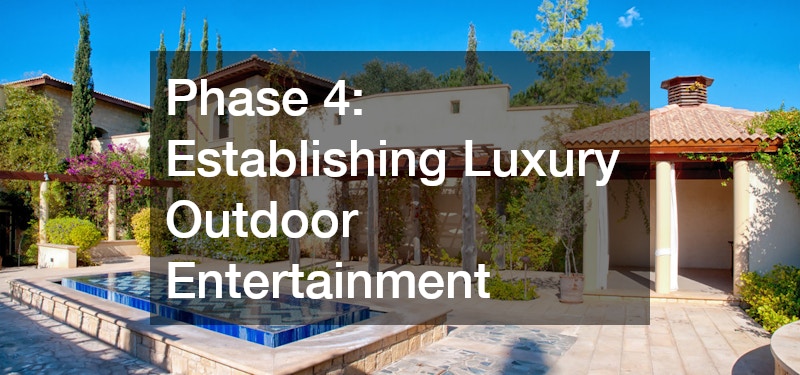
Phase 4: Establishing Luxury Outdoor Entertainment
With the earth safely retained and the heavy architectural stonework complete, the transformation expands the functional footprint of the home into the backyard. This phase focuses on turning raw yard space into sophisticated, ground-level entertaining zones and luxury water features. A masterfully executed outdoor living area blurs the line between the interior and the exterior, providing massive entertainment value while capitalizing on the natural beauty of your property.
Slope Surrounding Patios to Prevent Water Intrusion
The foundation of any great outdoor living room is the patio surface. Upgrading from a cracked, poured-concrete slab to a sophisticated, multi-level hardscape fundamentally elevates the luxury feel of the entire property. However, creating hundreds of square feet of impermeable surface requires a deep, uncompromising understanding of subterranean engineering and surface water routing. If you get the grading math wrong, you will actively direct hundreds of gallons of rainwater directly into your newly remodeled basement or crawlspace.
You must mandate that all heavy flatwork is precisely graded to drop at least one inch for every four feet (a 2% cross-slope) moving away from the home’s foundation to prevent pooling and structural flooding. Experienced hardscaping contractors are essential to execute this properly. They handle the brutal excavation of the soft topsoil, lay down heavy geotextile fabrics, aggressively compact the thick aggregate base layers, and meticulously lay interlocking pavers that won’t heave, sink, or spread apart during brutal winter freezes.
-
Excavate for a Deep Aggregate Base: A patio that will not sink requires excavating the soft dirt and installing at least 4 to 6 inches of crushed, angular gravel. This base must be compacted with a heavy vibratory plate tamper until it is as hard as concrete.
-
Utilize a Screeded Sand Setting Bed: A one-inch layer of bedding sand must be perfectly screeded over the compacted gravel base. This provides a flawless, level setting bed that allows for minute, microscopic adjustments to the pavers, ensuring a perfectly flat, trip-free surface.
-
Lock the Surface with Polymeric Sand: Once the stones are laid, the joints must be swept with specialized polymeric sand. When activated with a light mist of water, this material hardens like mortar, locking the entire patio tightly together while preventing weed growth and destructive ant infestations.
Map Underground Utilities Before Excavating Large Amenities
Adding a luxury water feature is the ultimate capstone to a backyard transformation, but it is also one of the most invasive, dangerous, and heavily regulated construction processes a homeowner can undertake. It requires massive, deep-earth excavation, complex soil retention, and highly specialized electrical and plumbing infrastructure that must be safely integrated into an outdoor environment. You cannot simply dig a massive hole in the yard and hope for the best.
Before a single excavator track hits your grass, you must commission a private utility sweep and physically mark the paths of your sewer, gas, and electrical lines. Severing a buried high-voltage line or a municipal sewer main will shut down your project for weeks and result in catastrophic fines. Specialized pool contractors are necessary to navigate this massive logistical puzzle. They understand strict municipal setback laws, manage complex hydrostatic pressure valves to keep the empty shell from floating out of the ground, and ensure the surrounding concrete is properly electrically bonded to prevent shock hazards.
-
Establish a Solid Equipment Pad: Place the heavy circulation pumps, high-capacity sand filters, and gas heaters on a solid, perfectly level, reinforced concrete pad. Ensure they are wired to a dedicated electrical subpanel with strict GFCI protection.
-
Plan for High Water Tables: If your property is located in an area with a high water table, ensure hydrostatic relief valves are installed directly in the main drain of the basin. This prevents deep groundwater pressure from literally popping the empty shell out of the earth during routine maintenance.
-
Integrate Smart Automation: Bring your outdoor amenity into the modern age by installing a smart-control hub. This allows you to remotely monitor water chemistry, adjust the heating temperature, and control the submerged LED lighting colors directly from an application on your smartphone.
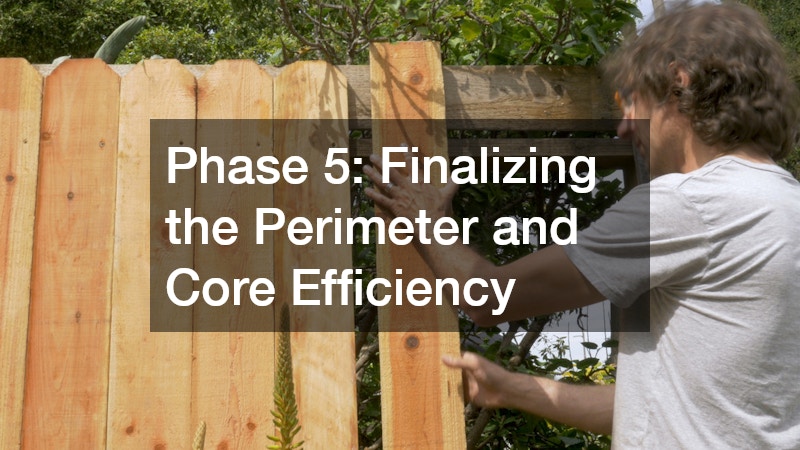
Phase 5: Finalizing the Perimeter and Core Efficiency
The final phase of a complete property transformation secures the legal and physical boundaries of your newly upgraded estate and locks in the invisible but critical energy-efficiency metrics for the entire home. This is where the finishing touches are applied, ensuring that your property is private, secure, and operating at peak performance before you finally relax and enjoy the fruits of your labor.
Set Property Markers Before Mixing Concrete for Posts
Establishing a clear, permanent property boundary provides crucial security for your family, creates visual privacy for your newly built outdoor entertaining spaces, and definitively establishes the legal limits of your property lines. However, erecting a permanent boundary structure is fraught with intense legal and logistical landmines if not handled with absolute precision. A fence that is built beautifully but placed incorrectly is a worthless liability.
You must always commission an official, physical boundary survey to definitively mark your property lines before any construction begins. Building a structure even a few inches onto a neighbor’s property or into a municipal easement can result in a legal mandate to tear the entire structure down at your own expense. Hiring a local fence contractor ensures the perimeter is built safely and legally. They will pull the required municipal permits, navigate strict Homeowner Association (HOA) height and material restrictions, and ensure the structure is built with deep, frost-line concrete footings that will withstand severe weather for decades.
-
Sink Footings Below the Frost Line: Every single vertical support post must be set in wet concrete that extends a minimum of 12 inches below your region’s specific frost line. Dry-packing dirt or gravel around the posts will inevitably lead to leaning, sagging, and structural failure after a single harsh winter.
-
Evaluate Upgrading to Maintenance-Free Materials: While traditional cedar wood is beautiful, it requires grueling biennial staining and sealing to prevent rot. Consider upgrading to commercial-grade polyvinyl chloride (PVC) or composite materials that offer a lifetime of maintenance-free privacy, zero splintering, and immunity to wood-boring insects.
-
Account for Extreme Wind Load Ratings: If your property is located in a flat, open area or a region prone to severe storms, ensure the posts are routed deeply and heavily reinforced with internal aluminum or thick steel channels to prevent the panels from blowing out during high-velocity wind events.
Seal Your Ductwork Before Upgrading Your Thermostat
The very last step of a property transformation is confirming that the massive investments you made in insulation, weatherproofing, and climate control are actually functioning as a cohesive, hyper-efficient system. It is incredibly common for homeowners to install ultra-high-efficiency heating and cooling units, only to attach them to leaky, unsealed ductwork, effectively blowing thousands of dollars of conditioned air straight into their unfinished attics or crawlspaces.
Before firing up a newly upgraded climate system and attaching a fancy new smart thermostat to the wall, you must ensure the delivery system is airtight. Have the seams of your exposed sheet metal ductwork heavily coated in a permanent mastic sealant. Following this, certified HVAC contractors should perform a final blower-door test and a comprehensive system balance. This highly technical process measures the exact air pressure in every room, ensuring the newly transformed property maintains perfect temperature control without wasting a single watt of energy.
-
Mastic Seal Every Joint: Do not allow standard cloth duct tape to be used on your ventilation system. Ensure all seams, joints, and take-offs in the ductwork are heavily coated in a thick, brush-on mastic sealant to permanently lock the conditioned air inside the pipes.
-
Perform a Blower-Door Infiltration Test: Have an energy auditor set up a blower door test to depressurize the house. This will expose any remaining microscopic air leaks around your newly installed windows, doors, and electrical outlets, allowing you to caulk and seal them before finalizing the project.
-
Balance the Airflow Registers: The technicians must use an anemometer to measure the cubic feet per minute (CFM) of air flowing out of every single vent in the house. They will then adjust the internal duct dampers to ensure every room receives the precise amount of airflow required to maintain absolute, uniform comfort across the entire property.
Conclusion
Transforming your property with major interior and exterior upgrades is not a weekend DIY project; it is a complex, highly choreographed, multi-phased operation that demands patience, financial discipline, and a deep respect for the physical science of residential construction. Taking a property down to its core elements and rebuilding it for the modern era relies entirely on assembling the right team of specialized experts and allowing them to execute their specific trades in the correct, structural order.
The most vital advice any homeowner can heed during this massive undertaking is to remember that property transformation is a marathon, not a sprint. Never rush the hiring process out of excitement. Take the time to properly vet specialists, thoroughly check references from past clients, and aggressively demand physical proof of active liability and worker’s compensation insurance before signing any contracts or handing over a financial deposit. The lowest bid is almost never the best bid when the structural integrity of your home is on the line.
The time for endlessly browsing inspiration boards and dreaming about your perfect home is over. Start taking actionable steps today. Draft your master priority list, focusing heavily on the exterior envelope and core utilities first. Establish a firm, realistic budget that includes an absolutely mandatory 20% contingency fund for hidden surprises, and begin collecting bids for your ultimate property transformation.
