
Every founder reaches a moment when a great idea has to become a physical product, and that transition trips up more startups than almost any other stage of growth. The decisions made about how, where, and when to build that first batch of inventory ripple through cash flow, quality control, and even how fast a company can grow once demand picks up. Getting it wrong can mean blown budgets, missed launch windows, or a warehouse full of products nobody can sell. This article breaks down the real factors founders should weigh before handing production over to someone else, so the choice is made with clear eyes rather than guesswork.
Weighing the True Cost of Building In-House Versus Partnering Out
Many founders assume building their own production line is cheaper because there is no outside markup, but that math rarely holds up once equipment, staffing, and facility costs are added in. A single CNC machine or injection molder can run anywhere from $50,000 to several hundred thousand dollars, and that’s before factoring in maintenance contracts, utility upgrades, or the square footage needed to house it. Early-stage companies often underestimate how much capital gets tied up in machinery that sits idle between orders, especially when demand is still unpredictable. There’s also the hidden cost of people. Hiring and training a production team means payroll, benefits, and turnover risk long before the line is running at full capacity, and skilled operators aren’t easy to replace on short notice.
If orders dip for a quarter, those fixed costs don’t disappear; they just eat into runway that could have gone toward growth. Contract manufacturing shifts that burden onto a partner who already owns the equipment and has trained staff ready to run it. These partners also spread their overhead across multiple clients, which means a startup pays only for the capacity it actually uses rather than carrying the full weight of a factory built for volume it hasn’t reached yet. That shift frees up early funding for marketing, hiring, or product development instead. For a startup trying to prove product-market fit within 12 to 18 months, that reallocated capital often matters more than the per-unit savings of owning the line outright.
The comparison gets clearer once a founder maps out fixed costs versus variable costs for each option. A facility and its equipment are fixed costs that exist whether a company sells ten units or ten thousand, meaning rent, utilities, insurance, and loan payments on machinery all come due regardless of how sales actually perform. A production partner, by contrast, typically charges per unit or per batch, so costs scale naturally with sales and shrink automatically during slow months. Consider a founder weighing a $150,000 piece of equipment against a contract manufacturer charging $8 per unit. At low volume, say 5,000 units a year, outsourcing costs $40,000 while the equipment sits mostly idle, still accruing depreciation and maintenance fees. Only once volume climbs into the tens of thousands does owning equipment start to look cheaper on paper, and that breakeven point can take years to reach for an early-stage company still finding its market.
Fixed costs also carry hidden companions that rarely show up in a first-pass budget: property taxes, equipment depreciation, preventive maintenance contracts, and the salaries of technicians needed to keep machinery running. A partner absorbs all of that overhead and spreads it across multiple clients, which is precisely how they offer lower per-unit pricing than a single startup could achieve alone. That difference matters most in the earliest stages, when every dollar not spent on brick-and-mortar is a dollar still available for product iteration or customer acquisition.
- In-house production requires upfront capital for machinery, tooling, and facility leases — often tens to hundreds of thousands of dollars before a single unit ships
- Outside partners spread costs across many clients, lowering the price per unit through shared equipment and bulk material purchasing
- Staffing an in-house line means payroll, training, and turnover risk, plus benefits and compliance overhead that scale with headcount
- A production partner absorbs maintenance and equipment upgrades, shielding you from unplanned repair costs and obsolescence
- Early capital saved on production can be redirected toward customer acquisition, product development, or extending runway during critical growth phases
- In-house setups offer more control over quality and timelines, but that control carries a fixed-cost burden regardless of order volume
- Outsourcing shifts fixed costs into variable ones, letting you scale production up or down with demand instead of carrying idle capacity
Matching Production Volume to Actual Demand
One of the most common startup mistakes is building or buying capacity for the sales numbers in a business plan rather than the sales numbers actually happening. Overestimating demand ties up cash in inventory that sits unsold, while underestimating it leads to stockouts right when buzz is building. A flexible partner can scale a run up or down between orders, which protects a young company from both extremes.
Founders should also think about seasonality and product lifecycle when setting production volume. A product that sells steadily year-round needs a different approach than one with sharp seasonal spikes, and a partner with experience across industries can usually advise on realistic minimums.
- Start with smaller batch sizes to test market response before committing to large runs
- Track sell-through rate weekly during the first few months after launch
- Build in lead time for reorders so stock does not run out during peak demand
- Ask potential partners about their minimum order quantities before signing anything
Choosing Facilities That Fit a Growing Operation
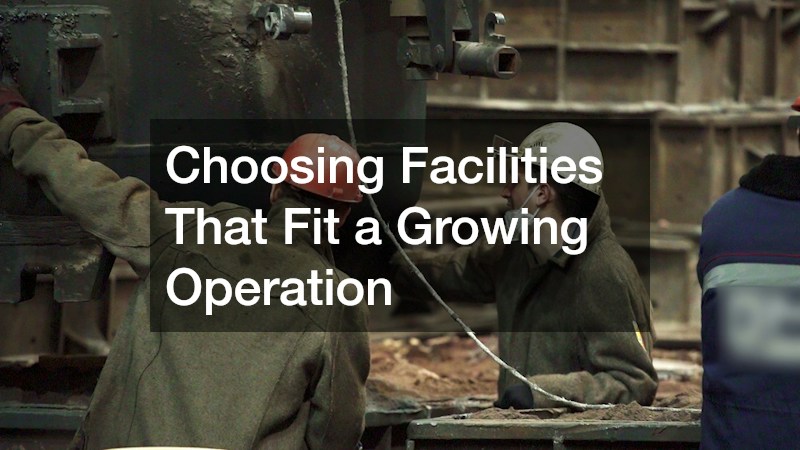
Physical space is often an afterthought for founders focused on product design, but where that product gets made or stored matters just as much as how it is made. Some early-stage companies have found success using hoop buildings as a low-cost way to house inventory, light assembly work, or equipment storage without committing to a traditional warehouse lease. These structures go up faster than conventional buildings and cost considerably less per square foot, which matters when every dollar needs to stretch further.
The right facility choice depends on climate, product type, and how long the company expects to stay in that location. A startup still validating its business model may not want a ten-year lease, so flexible or temporary structures can bridge the gap between a garage operation and a permanent facility.
- Consider climate control needs for products sensitive to temperature or humidity
- Factor in how quickly a structure can be expanded if demand grows
- Compare lease terms for temporary structures against traditional commercial space
- Think about proximity to shipping carriers and major roadways
Evaluating the Structural Backbone of a New Facility
For founders who do decide to build or expand a facility, the structural engineering behind it deserves real attention even though it rarely makes it into early planning conversations. Bar joists are a common component in commercial and industrial construction because they support roof loads efficiently while keeping material costs down compared to solid beams. Understanding this kind of detail helps a founder ask smarter questions when getting quotes from contractors or structural engineers.
A building that looks fine on the surface can still have load limitations that matter once heavy equipment or tall racking systems get installed. Founders working with architects or contractors should ask directly about weight capacity, especially if the facility will later house machinery or dense inventory storage.
- Ask contractors about maximum load capacity before finalizing floor plans
- Confirm that any racking or equipment plans match the building’s structural rating
- Request documentation on materials used in roof and ceiling support
- Budget for inspections before signing off on new construction
Vetting a Production Partner Before Signing a Contract
Not every manufacturer is a good fit for every product, and founders should treat this vetting process with the same seriousness they would apply to hiring a key employee. A site visit, even a virtual one, reveals far more than a glossy sales deck ever will. Founders should ask to see samples of past work for similar products and talk to at least one existing client if possible.
Communication style matters just as much as technical capability. A partner who is slow to respond during the sales process is unlikely to improve once a contract is signed and problems inevitably come up.
- Request references from clients with similar product categories
- Ask about quality control checkpoints throughout the production process
- Clarify who owns tooling and molds if the relationship ends
- Confirm turnaround times in writing before the first order
Planning the Logistics of Moving Inventory and Equipment
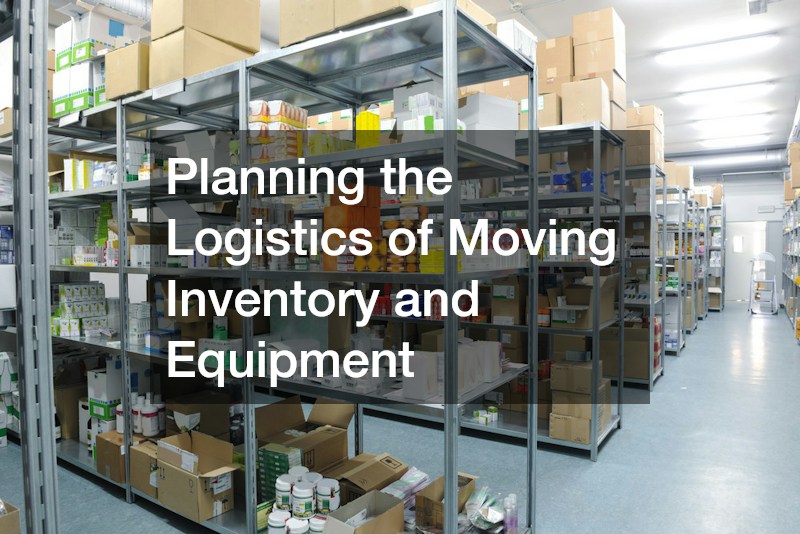
Growth often means relocating, whether that is moving from a garage to a first facility or expanding into a second location as demand increases. These moves involve more than renting a truck, since specialized equipment, pallets of inventory, and sensitive machinery all need careful handling. Many founders turn to corporate moving services for exactly this reason, since these companies understand how to transport commercial goods without the delays or damage that come from treating a business move like a household one.
Timing a facility move poorly can stall production for days or weeks, which is costly for a startup that cannot afford downtime. Planning the move during a slower sales period, and giving a moving partner full visibility into what needs to be transported, reduces the chance of surprises on moving day.
- Create an inventory list before the move to track what leaves and what arrives
- Schedule moves during predictable low-demand periods when possible
- Confirm insurance coverage for equipment and inventory in transit
- Communicate new address and lead times to customers in advance
Setting Realistic Timelines for the First Production Run
First-time founders consistently underestimate how long initial production takes, from sampling and approval to the actual manufacturing run and shipping. Delays at any step push back launch dates, which can hurt momentum built through pre-launch marketing. Building extra time into the schedule, rather than assuming everything will go perfectly, protects both the launch date and the founder’s credibility with early customers.
It helps to break the timeline into distinct phases and assign realistic buffers to each one rather than treating production as a single block of time. This approach also makes it easier to spot where delays are happening if something does go wrong.
- Add buffer time for sample approval rounds, which often take longer than expected
- Account for shipping delays, especially with international partners
- Build in time for quality inspection before products reach customers
- Communicate conservative launch dates publicly, then aim to beat them
Deciding how and when to outsource production is not a decision any founder should rush, but it also is not one to delay until a crisis forces the issue. The startups that handle this well tend to research their options early, ask hard questions of potential partners, and build realistic timelines instead of hopeful ones. Taking the time now to understand costs, facilities, and logistics puts a founder in a far stronger position when demand finally arrives. The next step is simple: start gathering quotes and references before the pressure of a launch date forces a hasty choice.
